The Toyota 86 has a front-engine, rear-wheel-drive configuration. It is a 2+2 sports car that was jointly developed by Toyota and Subaru. The Toyota 86 features a naturally.
The engine configuration of the Toyota 86 is a masterclass in balancing performance, handling, and efficiency. The boxer engine's unique layout, combined with advanced fuel injection and a high-revving nature, makes the Toyota 86 a standout in the realm of affordable sports cars.
The Toyota 86's inline 6-cylinder engine is known for its linear power delivery and high-revving character, which contributes to the car's engaging and responsive driving dynamics.
What kind of motor does a Toyota 86 have? For improved driving dynamics, the boxer engine is mounted low in a front engine/rear drive layout, resulting in a weight distribution of 53% in front and 47% in the rear and a low center of mass height. The 86's low-weight design uses an aluminum hood, a fixed roof, and a trunk rather than a hatchback. [36] The engine in the 86 is a naturally.
Engine Specifications of the Toyota 86 The Toyota 86 comes with a 2.4-liter H-4 engine that produces 228 horsepower at 7,000 rpm and 184 lb-ft of torque at 3,700 rpm. This represents a gain of 23 horses and 28 lb.
The Toyota 86's inline 6-cylinder engine is known for its linear power delivery and high-revving character, which contributes to the car's engaging and responsive driving dynamics.
The engine configuration of the Toyota 86 is a masterclass in balancing performance, handling, and efficiency. The boxer engine's unique layout, combined with advanced fuel injection and a high-revving nature, makes the Toyota 86 a standout in the realm of affordable sports cars.
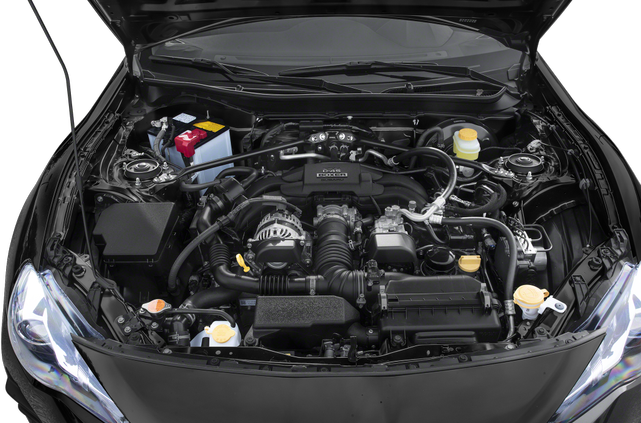
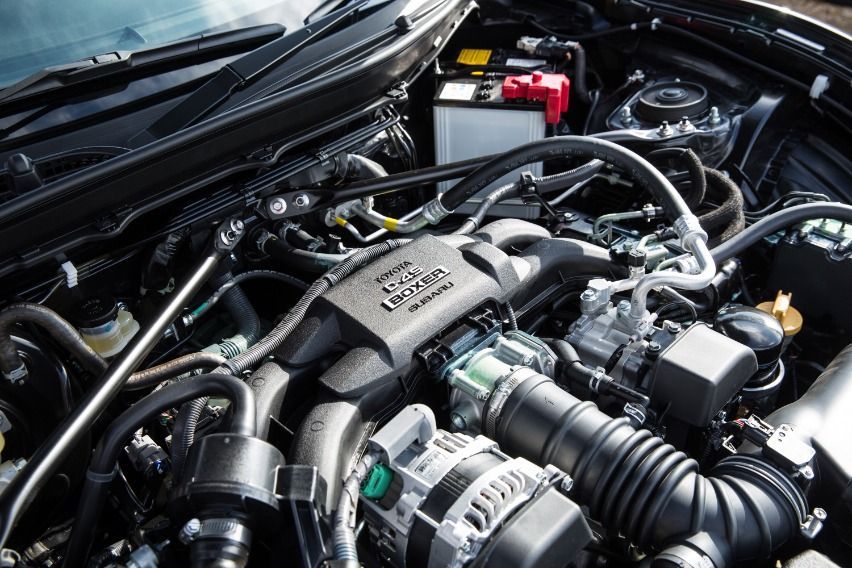
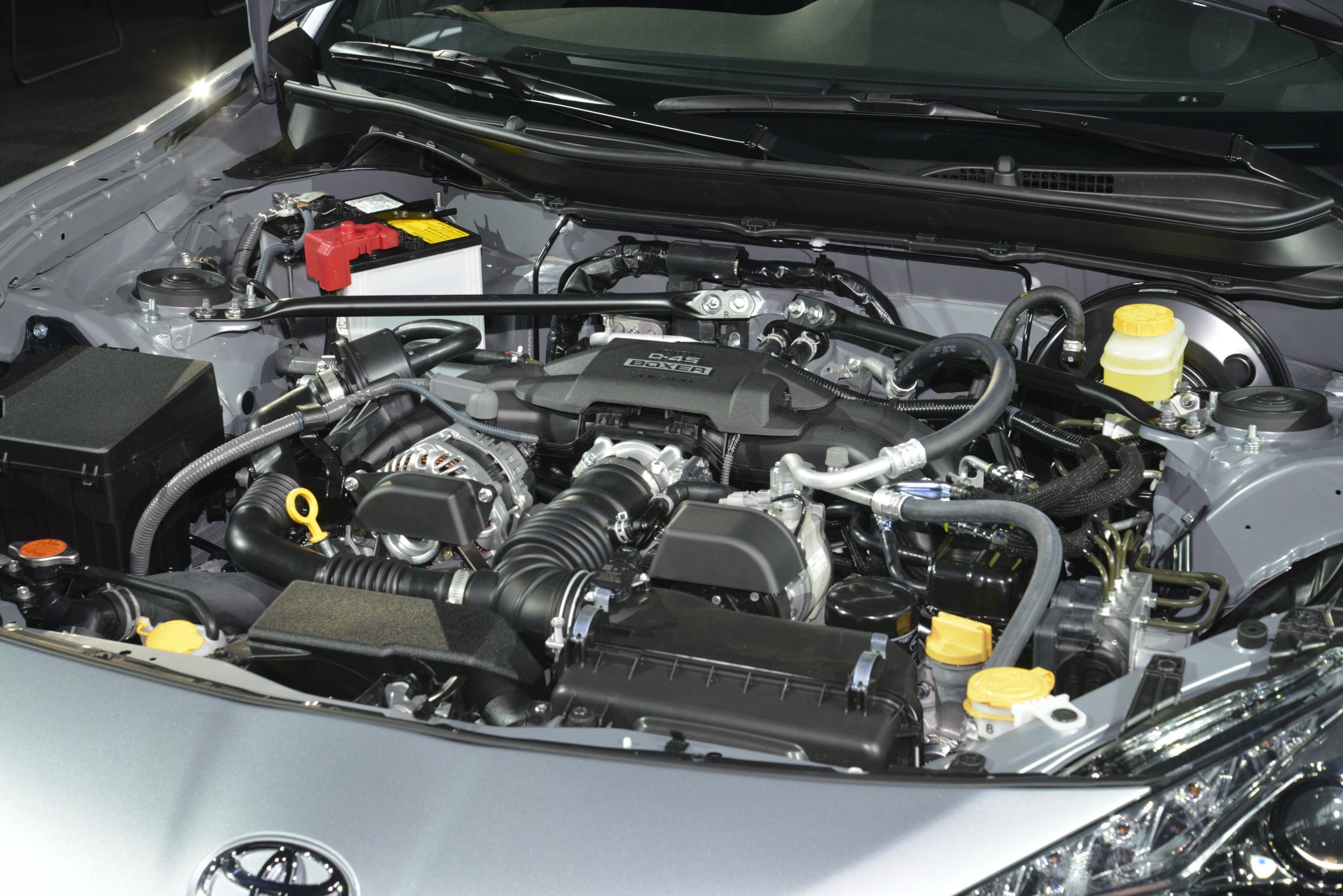
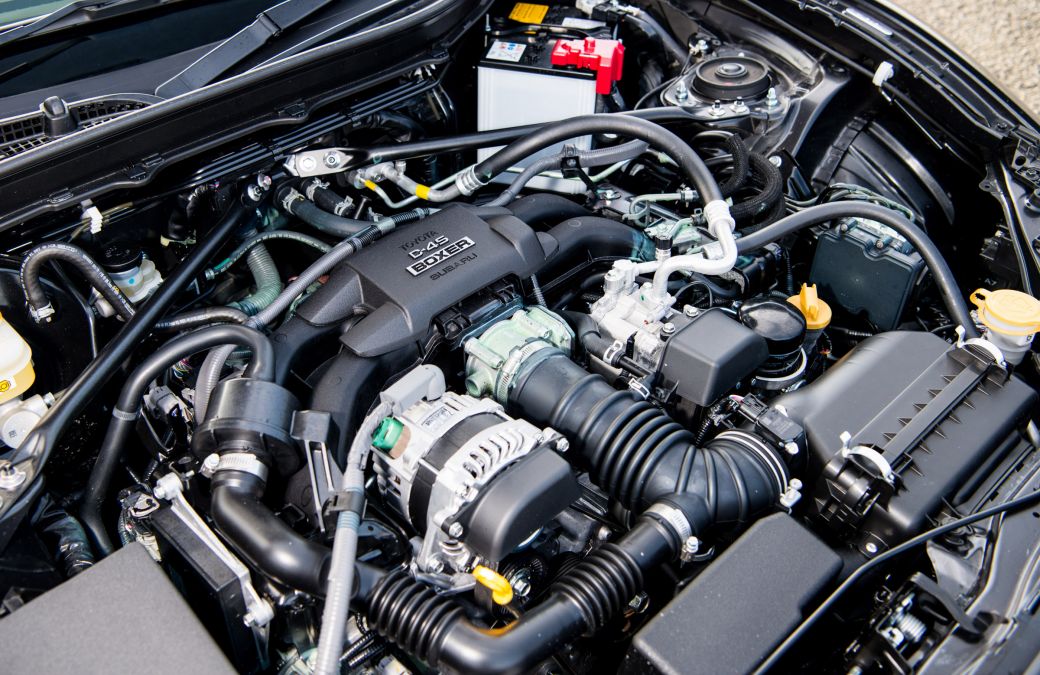
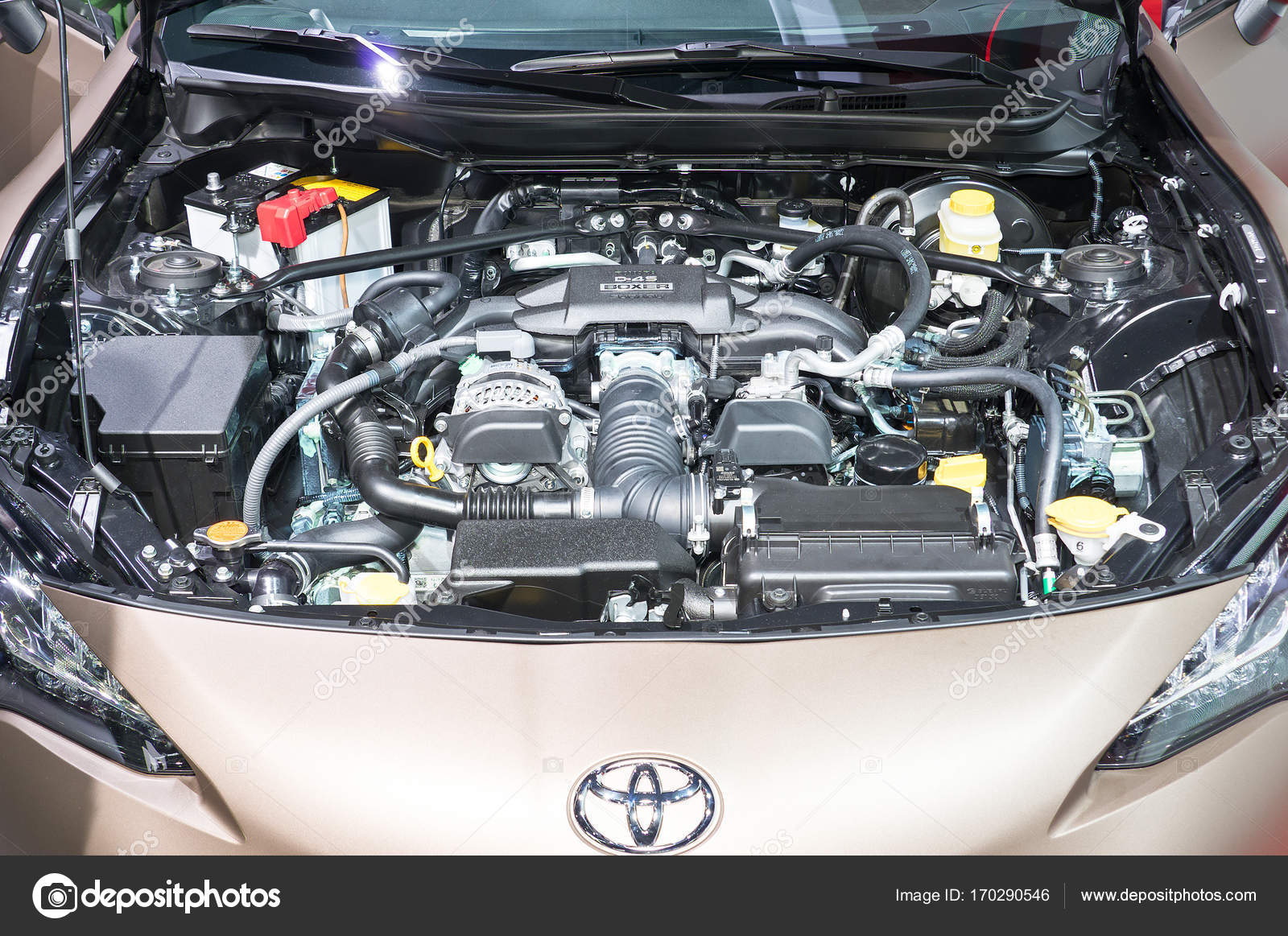
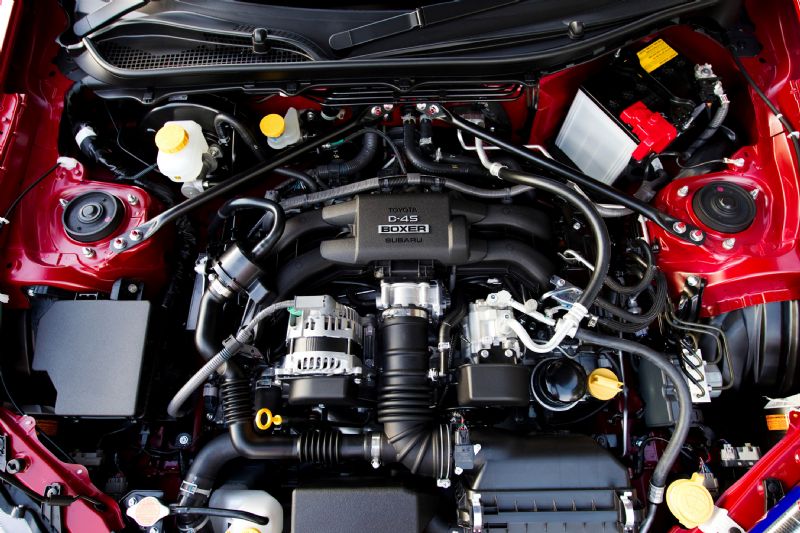
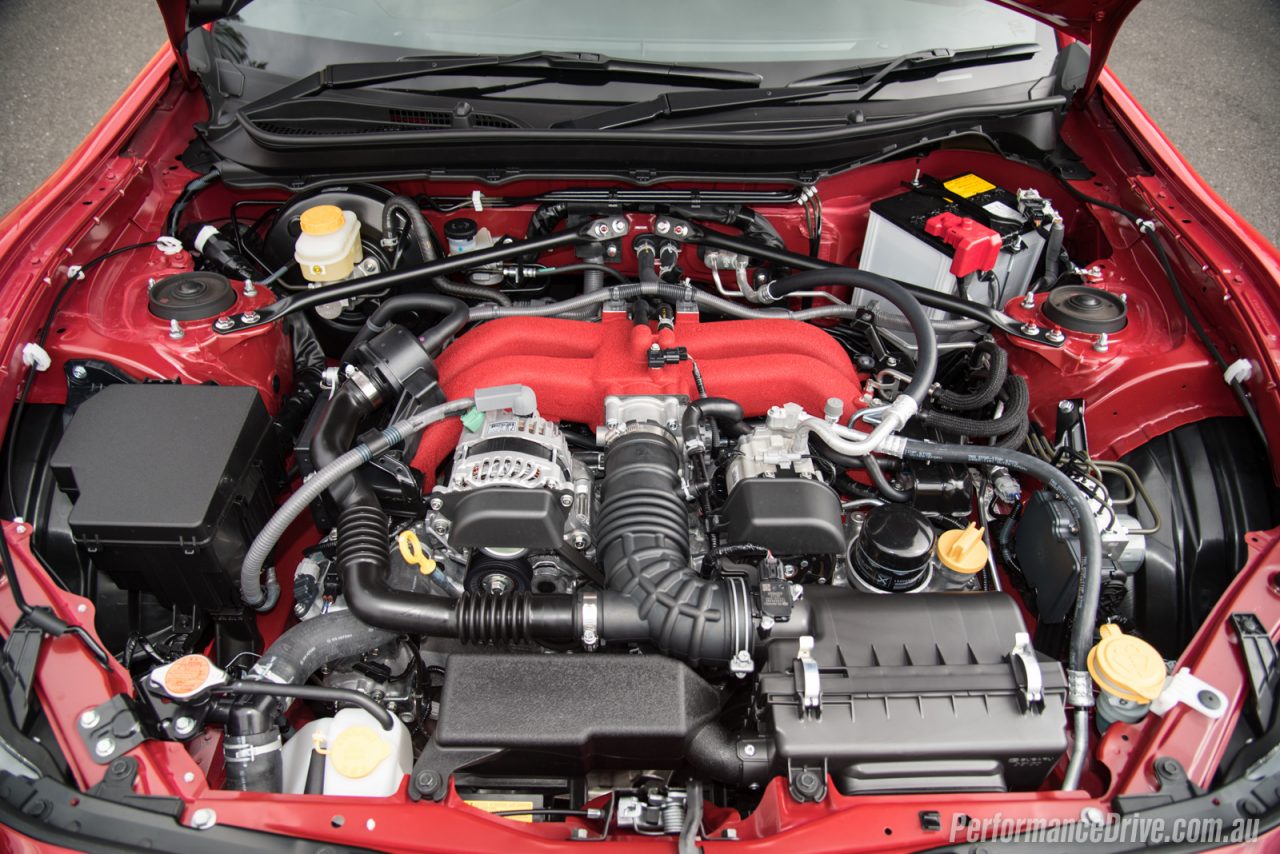
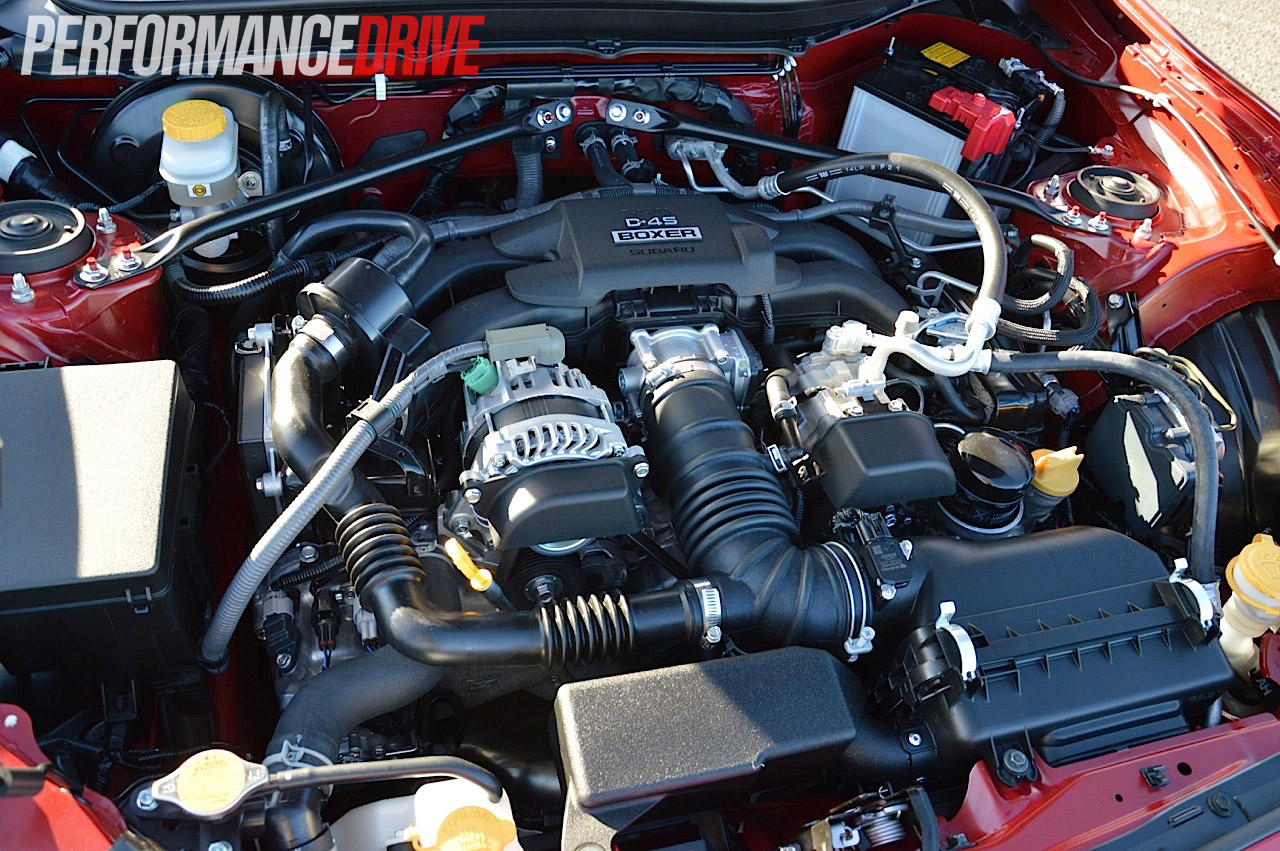
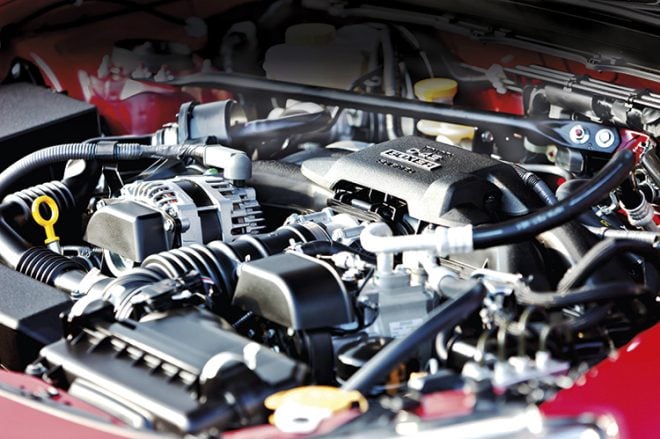
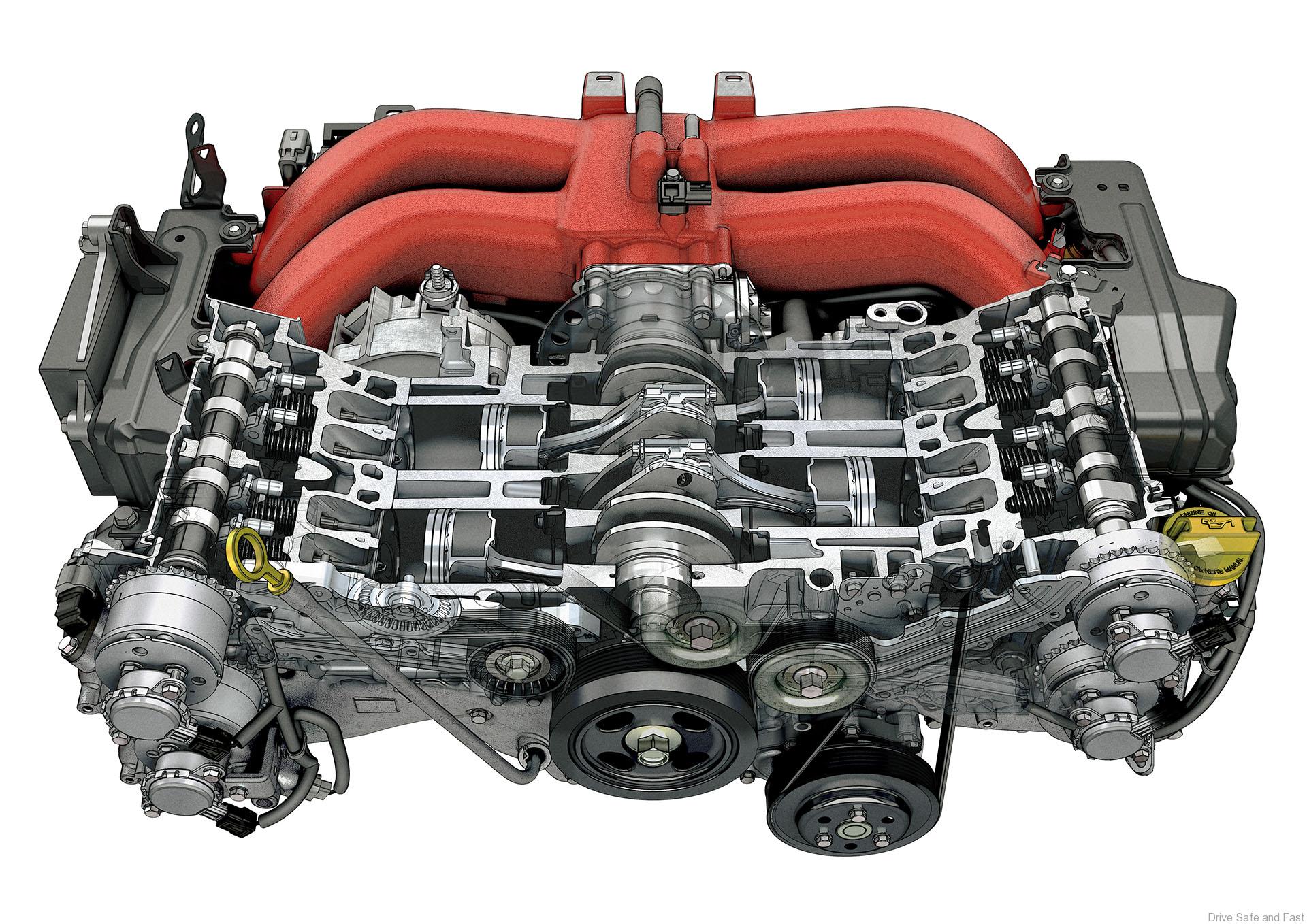
The Toyota 86 is equipped with a horizontally-opposed (boxer) engine, which helps to lower its center of gravity and improve handling. This engine configuration provides smoother power delivery and a more compact design. Overall, these factors contribute to the sporty performance of the vehicle.
The Aces And Flaws Of The Toyota 86
The Toyota 86's inline 6-cylinder engine is known for its linear power delivery and high-revving character, which contributes to the car's engaging and responsive driving dynamics.
Engine Specifications of the Toyota 86 The Toyota 86 comes with a 2.4-liter H-4 engine that produces 228 horsepower at 7,000 rpm and 184 lb-ft of torque at 3,700 rpm. This represents a gain of 23 horses and 28 lb.
The Toyota 86, a celebrated sports coupe, boasts a distinctive engine configuration that plays a pivotal role in its performance characteristics. At the heart of this vehicle lies the innovative boxer engine design, known for its unique flat-four layout. This configuration not only enhances the car's low center of gravity but also contributes to improved handling and stability on the road.
The engine configuration of the Toyota 86 is a masterclass in balancing performance, handling, and efficiency. The boxer engine's unique layout, combined with advanced fuel injection and a high-revving nature, makes the Toyota 86 a standout in the realm of affordable sports cars.
Chief Engineer Of The Toyota 86 And Subaru BRZ Says No Turbo For You ...
The Toyota 86's inline 6-cylinder engine is known for its linear power delivery and high-revving character, which contributes to the car's engaging and responsive driving dynamics.
The Toyota 86, a celebrated sports coupe, boasts a distinctive engine configuration that plays a pivotal role in its performance characteristics. At the heart of this vehicle lies the innovative boxer engine design, known for its unique flat-four layout. This configuration not only enhances the car's low center of gravity but also contributes to improved handling and stability on the road.
The Toyota 86 is equipped with a horizontally-opposed (boxer) engine, which helps to lower its center of gravity and improve handling. This engine configuration provides smoother power delivery and a more compact design. Overall, these factors contribute to the sporty performance of the vehicle.
Engine Specifications of the Toyota 86 The Toyota 86 comes with a 2.4-liter H-4 engine that produces 228 horsepower at 7,000 rpm and 184 lb-ft of torque at 3,700 rpm. This represents a gain of 23 horses and 28 lb.
Toyota GT86 2019 Is Special Enough For Ultimate Drifting?
The Toyota 86 is equipped with a horizontally-opposed (boxer) engine, which helps to lower its center of gravity and improve handling. This engine configuration provides smoother power delivery and a more compact design. Overall, these factors contribute to the sporty performance of the vehicle.
The Toyota 86 has a front-engine, rear-wheel-drive configuration. It is a 2+2 sports car that was jointly developed by Toyota and Subaru. The Toyota 86 features a naturally.
The 86's rear-wheel drive configuration and front-mounted flat boxer engine allow a low centre of gravity for strong handling characteristics. [7] The bodywork has a drag coefficient of Cd =0.27. [43] The "86" boxer side badge on Toyota and Scion models According to the 86's designers, "The goal was to create an authentic rear-wheel drive sports car with compelling style, exceptionally.
The Toyota 86's inline 6-cylinder engine is known for its linear power delivery and high-revving character, which contributes to the car's engaging and responsive driving dynamics.
2012 Toyota 86 GTS Sports Car ~ Auto Car News And Modified
Engine Specifications of the Toyota 86 The Toyota 86 comes with a 2.4-liter H-4 engine that produces 228 horsepower at 7,000 rpm and 184 lb-ft of torque at 3,700 rpm. This represents a gain of 23 horses and 28 lb.
The Toyota 86 is equipped with a horizontally-opposed (boxer) engine, which helps to lower its center of gravity and improve handling. This engine configuration provides smoother power delivery and a more compact design. Overall, these factors contribute to the sporty performance of the vehicle.
The Boxer Engine Explained The Toyota 86 sports a boxer engine, also known as a flat or horizontally opposed engine. Picture this: instead of cylinders standing upright like soldiers, they're.
The Toyota 86 has a front-engine, rear-wheel-drive configuration. It is a 2+2 sports car that was jointly developed by Toyota and Subaru. The Toyota 86 features a naturally.
Toyota 86 Engine
The Boxer Engine Explained The Toyota 86 sports a boxer engine, also known as a flat or horizontally opposed engine. Picture this: instead of cylinders standing upright like soldiers, they're.
The engine configuration of the Toyota 86 is a masterclass in balancing performance, handling, and efficiency. The boxer engine's unique layout, combined with advanced fuel injection and a high-revving nature, makes the Toyota 86 a standout in the realm of affordable sports cars.
What kind of motor does a Toyota 86 have? For improved driving dynamics, the boxer engine is mounted low in a front engine/rear drive layout, resulting in a weight distribution of 53% in front and 47% in the rear and a low center of mass height. The 86's low-weight design uses an aluminum hood, a fixed roof, and a trunk rather than a hatchback. [36] The engine in the 86 is a naturally.
Engine Specifications of the Toyota 86 The Toyota 86 comes with a 2.4-liter H-4 engine that produces 228 horsepower at 7,000 rpm and 184 lb-ft of torque at 3,700 rpm. This represents a gain of 23 horses and 28 lb.
Toyota 86 - Coupe
The Toyota 86 is powered by a 2.0-liter flat-four, or "boxer," engine. The boxer engine configuration is characterized by its horizontally-opposed cylinder arrangement, where the pistons move in opposite directions.
The 86's rear-wheel drive configuration and front-mounted flat boxer engine allow a low centre of gravity for strong handling characteristics. [7] The bodywork has a drag coefficient of Cd =0.27. [43] The "86" boxer side badge on Toyota and Scion models According to the 86's designers, "The goal was to create an authentic rear-wheel drive sports car with compelling style, exceptionally.
What kind of motor does a Toyota 86 have? For improved driving dynamics, the boxer engine is mounted low in a front engine/rear drive layout, resulting in a weight distribution of 53% in front and 47% in the rear and a low center of mass height. The 86's low-weight design uses an aluminum hood, a fixed roof, and a trunk rather than a hatchback. [36] The engine in the 86 is a naturally.
The Boxer Engine Explained The Toyota 86 sports a boxer engine, also known as a flat or horizontally opposed engine. Picture this: instead of cylinders standing upright like soldiers, they're.
2014 Toyota 86 GT - Car Review - DriveLife
The Toyota 86 is powered by a 2.0-liter flat-four, or "boxer," engine. The boxer engine configuration is characterized by its horizontally-opposed cylinder arrangement, where the pistons move in opposite directions.
The Toyota 86's inline 6-cylinder engine is known for its linear power delivery and high-revving character, which contributes to the car's engaging and responsive driving dynamics.
The 86's rear-wheel drive configuration and front-mounted flat boxer engine allow a low centre of gravity for strong handling characteristics. [7] The bodywork has a drag coefficient of Cd =0.27. [43] The "86" boxer side badge on Toyota and Scion models According to the 86's designers, "The goal was to create an authentic rear-wheel drive sports car with compelling style, exceptionally.
The Toyota 86 has a front-engine, rear-wheel-drive configuration. It is a 2+2 sports car that was jointly developed by Toyota and Subaru. The Toyota 86 features a naturally.
Let's See Your Engine Bay Setup! | Toyota GR86 Forum - GT86 Forum ...
The Toyota 86 is equipped with a horizontally-opposed (boxer) engine, which helps to lower its center of gravity and improve handling. This engine configuration provides smoother power delivery and a more compact design. Overall, these factors contribute to the sporty performance of the vehicle.
Engine Specifications of the Toyota 86 The Toyota 86 comes with a 2.4-liter H-4 engine that produces 228 horsepower at 7,000 rpm and 184 lb-ft of torque at 3,700 rpm. This represents a gain of 23 horses and 28 lb.
The Boxer Engine Explained The Toyota 86 sports a boxer engine, also known as a flat or horizontally opposed engine. Picture this: instead of cylinders standing upright like soldiers, they're.
The engine configuration of the Toyota 86 is a masterclass in balancing performance, handling, and efficiency. The boxer engine's unique layout, combined with advanced fuel injection and a high-revving nature, makes the Toyota 86 a standout in the realm of affordable sports cars.
Toyota 86 On Sale In Australia Priced From $29,990 - PerformanceDrive
The Boxer Engine Explained The Toyota 86 sports a boxer engine, also known as a flat or horizontally opposed engine. Picture this: instead of cylinders standing upright like soldiers, they're.
Engine Specifications of the Toyota 86 The Toyota 86 comes with a 2.4-liter H-4 engine that produces 228 horsepower at 7,000 rpm and 184 lb-ft of torque at 3,700 rpm. This represents a gain of 23 horses and 28 lb.
What kind of motor does a Toyota 86 have? For improved driving dynamics, the boxer engine is mounted low in a front engine/rear drive layout, resulting in a weight distribution of 53% in front and 47% in the rear and a low center of mass height. The 86's low-weight design uses an aluminum hood, a fixed roof, and a trunk rather than a hatchback. [36] The engine in the 86 is a naturally.
The 86's rear-wheel drive configuration and front-mounted flat boxer engine allow a low centre of gravity for strong handling characteristics. [7] The bodywork has a drag coefficient of Cd =0.27. [43] The "86" boxer side badge on Toyota and Scion models According to the 86's designers, "The goal was to create an authentic rear-wheel drive sports car with compelling style, exceptionally.
2017 Toyota 86 GTS Review (video) | PerformanceDrive
What kind of motor does a Toyota 86 have? For improved driving dynamics, the boxer engine is mounted low in a front engine/rear drive layout, resulting in a weight distribution of 53% in front and 47% in the rear and a low center of mass height. The 86's low-weight design uses an aluminum hood, a fixed roof, and a trunk rather than a hatchback. [36] The engine in the 86 is a naturally.
The 86's rear-wheel drive configuration and front-mounted flat boxer engine allow a low centre of gravity for strong handling characteristics. [7] The bodywork has a drag coefficient of Cd =0.27. [43] The "86" boxer side badge on Toyota and Scion models According to the 86's designers, "The goal was to create an authentic rear-wheel drive sports car with compelling style, exceptionally.
The Toyota 86's inline 6-cylinder engine is known for its linear power delivery and high-revving character, which contributes to the car's engaging and responsive driving dynamics.
The Toyota 86, a celebrated sports coupe, boasts a distinctive engine configuration that plays a pivotal role in its performance characteristics. At the heart of this vehicle lies the innovative boxer engine design, known for its unique flat-four layout. This configuration not only enhances the car's low center of gravity but also contributes to improved handling and stability on the road.
2012 Toyota 86 GTS Review (video) - PerformanceDrive
The Boxer Engine Explained The Toyota 86 sports a boxer engine, also known as a flat or horizontally opposed engine. Picture this: instead of cylinders standing upright like soldiers, they're.
The engine configuration of the Toyota 86 is a masterclass in balancing performance, handling, and efficiency. The boxer engine's unique layout, combined with advanced fuel injection and a high-revving nature, makes the Toyota 86 a standout in the realm of affordable sports cars.
The Toyota 86's inline 6-cylinder engine is known for its linear power delivery and high-revving character, which contributes to the car's engaging and responsive driving dynamics.
The Toyota 86 is powered by a 2.0-liter flat-four, or "boxer," engine. The boxer engine configuration is characterized by its horizontally-opposed cylinder arrangement, where the pistons move in opposite directions.
Toyota 86 Coupe Review | Torque
The Toyota 86 is equipped with a horizontally-opposed (boxer) engine, which helps to lower its center of gravity and improve handling. This engine configuration provides smoother power delivery and a more compact design. Overall, these factors contribute to the sporty performance of the vehicle.
The Toyota 86, a celebrated sports coupe, boasts a distinctive engine configuration that plays a pivotal role in its performance characteristics. At the heart of this vehicle lies the innovative boxer engine design, known for its unique flat-four layout. This configuration not only enhances the car's low center of gravity but also contributes to improved handling and stability on the road.
The engine configuration of the Toyota 86 is a masterclass in balancing performance, handling, and efficiency. The boxer engine's unique layout, combined with advanced fuel injection and a high-revving nature, makes the Toyota 86 a standout in the realm of affordable sports cars.
What kind of motor does a Toyota 86 have? For improved driving dynamics, the boxer engine is mounted low in a front engine/rear drive layout, resulting in a weight distribution of 53% in front and 47% in the rear and a low center of mass height. The 86's low-weight design uses an aluminum hood, a fixed roof, and a trunk rather than a hatchback. [36] The engine in the 86 is a naturally.
Redesigned 86 From Toyota
Engine Specifications of the Toyota 86 The Toyota 86 comes with a 2.4-liter H-4 engine that produces 228 horsepower at 7,000 rpm and 184 lb-ft of torque at 3,700 rpm. This represents a gain of 23 horses and 28 lb.
The 86's rear-wheel drive configuration and front-mounted flat boxer engine allow a low centre of gravity for strong handling characteristics. [7] The bodywork has a drag coefficient of Cd =0.27. [43] The "86" boxer side badge on Toyota and Scion models According to the 86's designers, "The goal was to create an authentic rear-wheel drive sports car with compelling style, exceptionally.
The Toyota 86 is equipped with a horizontally-opposed (boxer) engine, which helps to lower its center of gravity and improve handling. This engine configuration provides smoother power delivery and a more compact design. Overall, these factors contribute to the sporty performance of the vehicle.
The Toyota 86 is powered by a 2.0-liter flat-four, or "boxer," engine. The boxer engine configuration is characterized by its horizontally-opposed cylinder arrangement, where the pistons move in opposite directions.
Toyota 86 2020 Review: GTS | CarsGuide
Engine Specifications of the Toyota 86 The Toyota 86 comes with a 2.4-liter H-4 engine that produces 228 horsepower at 7,000 rpm and 184 lb-ft of torque at 3,700 rpm. This represents a gain of 23 horses and 28 lb.
The Toyota 86 has a front-engine, rear-wheel-drive configuration. It is a 2+2 sports car that was jointly developed by Toyota and Subaru. The Toyota 86 features a naturally.
The Toyota 86's inline 6-cylinder engine is known for its linear power delivery and high-revving character, which contributes to the car's engaging and responsive driving dynamics.
The Boxer Engine Explained The Toyota 86 sports a boxer engine, also known as a flat or horizontally opposed engine. Picture this: instead of cylinders standing upright like soldiers, they're.
The Boxer Engine Explained The Toyota 86 sports a boxer engine, also known as a flat or horizontally opposed engine. Picture this: instead of cylinders standing upright like soldiers, they're.
Engine Specifications of the Toyota 86 The Toyota 86 comes with a 2.4-liter H-4 engine that produces 228 horsepower at 7,000 rpm and 184 lb-ft of torque at 3,700 rpm. This represents a gain of 23 horses and 28 lb.
The Toyota 86 is equipped with a horizontally-opposed (boxer) engine, which helps to lower its center of gravity and improve handling. This engine configuration provides smoother power delivery and a more compact design. Overall, these factors contribute to the sporty performance of the vehicle.
The engine configuration of the Toyota 86 is a masterclass in balancing performance, handling, and efficiency. The boxer engine's unique layout, combined with advanced fuel injection and a high-revving nature, makes the Toyota 86 a standout in the realm of affordable sports cars.
The 86's rear-wheel drive configuration and front-mounted flat boxer engine allow a low centre of gravity for strong handling characteristics. [7] The bodywork has a drag coefficient of Cd =0.27. [43] The "86" boxer side badge on Toyota and Scion models According to the 86's designers, "The goal was to create an authentic rear-wheel drive sports car with compelling style, exceptionally.
The Toyota 86's inline 6-cylinder engine is known for its linear power delivery and high-revving character, which contributes to the car's engaging and responsive driving dynamics.
The Toyota 86 has a front-engine, rear-wheel-drive configuration. It is a 2+2 sports car that was jointly developed by Toyota and Subaru. The Toyota 86 features a naturally.
What kind of motor does a Toyota 86 have? For improved driving dynamics, the boxer engine is mounted low in a front engine/rear drive layout, resulting in a weight distribution of 53% in front and 47% in the rear and a low center of mass height. The 86's low-weight design uses an aluminum hood, a fixed roof, and a trunk rather than a hatchback. [36] The engine in the 86 is a naturally.
The Toyota 86, a celebrated sports coupe, boasts a distinctive engine configuration that plays a pivotal role in its performance characteristics. At the heart of this vehicle lies the innovative boxer engine design, known for its unique flat-four layout. This configuration not only enhances the car's low center of gravity but also contributes to improved handling and stability on the road.
The Toyota 86 is powered by a 2.0-liter flat-four, or "boxer," engine. The boxer engine configuration is characterized by its horizontally-opposed cylinder arrangement, where the pistons move in opposite directions.
.JPG)


.jpg)