Toyota Is Banking On The Growth Of Plug In Hybrids
Plug-in hybrids, however, currently account for 2.4 percent of its sales volume, but Toyota plans to increase its PHEV sales ratio to 20 percent by 2030.
Toyota Motor is targeting significant growth in plug-in hybrid electric vehicles, or PHEVs. The automaker plans to increase PHEVs from 2.4% last year to roughly 20% of its U.S. sales volume by.
Toyota shifts focus to plug-in hybrids, aiming for sharp growth as electric vehicle momentum softens amid infrastructure and market challenges.
Toyota targets 20% U.S. sales from plug-in hybrids by 2030, up from 2.4% in 2024. New RAV4 PHEV offers 50-mile (80 km) EV-only range, part of plug-in expansion plan. High cost, low awareness remain barriers despite increasing regulatory pressure and modest forecast growth.
Toyota Plug-in Hybrids | Toyota Europe
Sponsored Bank Accounts Toyota's hybrids don't need charging and switch seamlessly between gasoline and electric power, or use both at once, depending on driving conditions.
That's because the compact hybrid has been around for over 25 years now. As the industry shifts toward cleaner, more efficient options, Toyota is banking on PHEVs to drive growth.
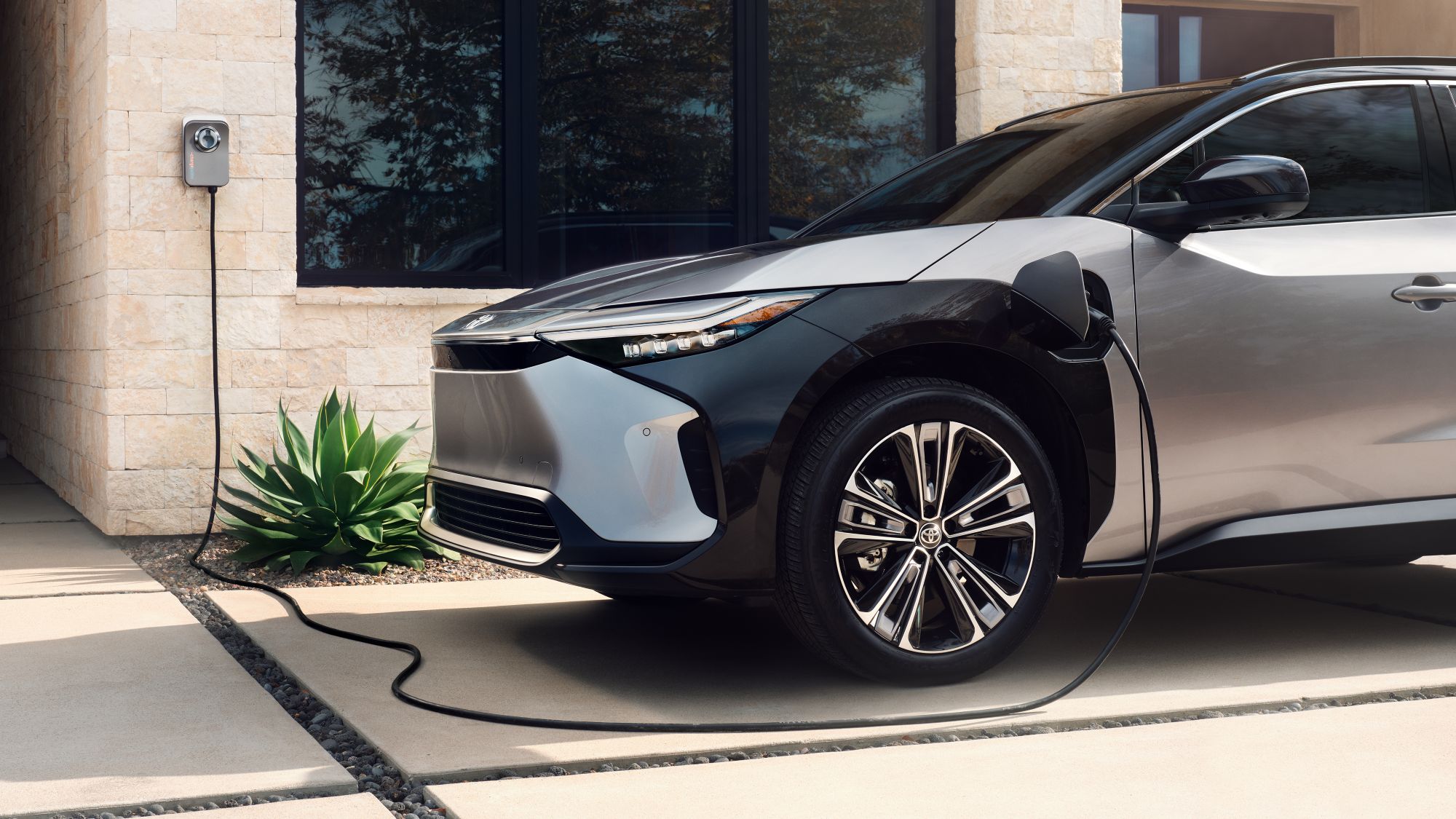
With investment from Toyota's growth fund Woven Capital, TMNA is collaborating with WeaveGrid to ensure that as more Toyota battery electric vehicles (BEV) and plug-in hybrid vehicles (PHEV) are introduced, these vehicles will be able to smoothly integrate with the electric grid, helping facilitate an efficient, equitable and resilient energy.
Toyota's new goal to have 20% of its U.S. sales be plug-in hybrids by 2030 shows a clear move towards more electric cars. The electric vehicle market in the U.S. is growing super fast, with more and more people buying EVs every year. Toyota has been a bit slow with fully electric cars, unlike many other big car companies that are all.
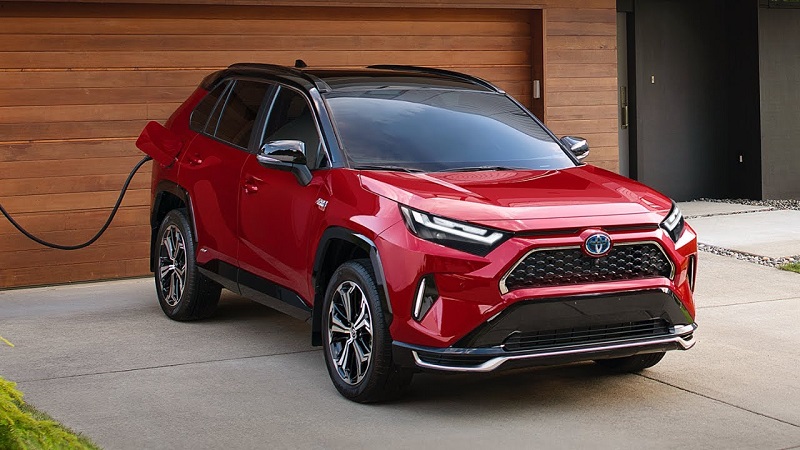
2025 Toyota RAV4 Plug-in Hybrid | World Toyota
That's because the compact hybrid has been around for over 25 years now. As the industry shifts toward cleaner, more efficient options, Toyota is banking on PHEVs to drive growth.
Plug-in hybrids, however, currently account for 2.4 percent of its sales volume, but Toyota plans to increase its PHEV sales ratio to 20 percent by 2030.
Sponsored Bank Accounts Toyota's hybrids don't need charging and switch seamlessly between gasoline and electric power, or use both at once, depending on driving conditions.
Toyota is pushing into plug-in hybrids with a 20% sales target by 2030, focusing on growth and innovation.
2025 Toyota RAV4 Plug-in Hybrid | World Toyota
Plug-in hybrids, however, currently account for 2.4 percent of its sales volume, but Toyota plans to increase its PHEV sales ratio to 20 percent by 2030.
Toyota's new goal to have 20% of its U.S. sales be plug-in hybrids by 2030 shows a clear move towards more electric cars. The electric vehicle market in the U.S. is growing super fast, with more and more people buying EVs every year. Toyota has been a bit slow with fully electric cars, unlike many other big car companies that are all.
Toyota targets 20% U.S. sales from plug-in hybrids by 2030, up from 2.4% in 2024. New RAV4 PHEV offers 50-mile (80 km) EV-only range, part of plug-in expansion plan. High cost, low awareness remain barriers despite increasing regulatory pressure and modest forecast growth.
Toyota is pushing into plug-in hybrids with a 20% sales target by 2030, focusing on growth and innovation.
Amidst Slower EV Growth, Toyota???s Next Major Push Is Plug-In Hybrids
Toyota's new goal to have 20% of its U.S. sales be plug-in hybrids by 2030 shows a clear move towards more electric cars. The electric vehicle market in the U.S. is growing super fast, with more and more people buying EVs every year. Toyota has been a bit slow with fully electric cars, unlike many other big car companies that are all.
Toyota is pushing into plug-in hybrids with a 20% sales target by 2030, focusing on growth and innovation.
Toyota shifts focus to plug-in hybrids, aiming for sharp growth as electric vehicle momentum softens amid infrastructure and market challenges.
Toyota targets 20% U.S. sales from plug-in hybrids by 2030, up from 2.4% in 2024. New RAV4 PHEV offers 50-mile (80 km) EV-only range, part of plug-in expansion plan. High cost, low awareness remain barriers despite increasing regulatory pressure and modest forecast growth.
2025 Toyota RAV4 Hybrid And Plug-In Hybrid Visual Tour - Sleek Design ...
That's because the compact hybrid has been around for over 25 years now. As the industry shifts toward cleaner, more efficient options, Toyota is banking on PHEVs to drive growth.
Toyota targets 20% U.S. sales from plug-in hybrids by 2030, up from 2.4% in 2024. New RAV4 PHEV offers 50-mile (80 km) EV-only range, part of plug-in expansion plan. High cost, low awareness remain barriers despite increasing regulatory pressure and modest forecast growth.
Toyota is pushing into plug-in hybrids with a 20% sales target by 2030, focusing on growth and innovation.
With investment from Toyota's growth fund Woven Capital, TMNA is collaborating with WeaveGrid to ensure that as more Toyota battery electric vehicles (BEV) and plug-in hybrid vehicles (PHEV) are introduced, these vehicles will be able to smoothly integrate with the electric grid, helping facilitate an efficient, equitable and resilient energy.
Toyota Plug In Hybrids 2024 - Jami Rickie
Toyota is pushing into plug-in hybrids with a 20% sales target by 2030, focusing on growth and innovation.
Toyota targets 20% U.S. sales from plug-in hybrids by 2030, up from 2.4% in 2024. New RAV4 PHEV offers 50-mile (80 km) EV-only range, part of plug-in expansion plan. High cost, low awareness remain barriers despite increasing regulatory pressure and modest forecast growth.
Toyota Motor is targeting significant growth in plug-in hybrid electric vehicles, or PHEVs. The automaker plans to increase PHEVs from 2.4% last year to roughly 20% of its U.S. sales volume by.
Plug-in hybrids, however, currently account for 2.4 percent of its sales volume, but Toyota plans to increase its PHEV sales ratio to 20 percent by 2030.
TOYOTA Plug-in Hybrid 2022 Owner's Manual Download Free PDF
Toyota is pushing into plug-in hybrids with a 20% sales target by 2030, focusing on growth and innovation.
That's because the compact hybrid has been around for over 25 years now. As the industry shifts toward cleaner, more efficient options, Toyota is banking on PHEVs to drive growth.
With investment from Toyota's growth fund Woven Capital, TMNA is collaborating with WeaveGrid to ensure that as more Toyota battery electric vehicles (BEV) and plug-in hybrid vehicles (PHEV) are introduced, these vehicles will be able to smoothly integrate with the electric grid, helping facilitate an efficient, equitable and resilient energy.
Plug-in hybrids, however, currently account for 2.4 percent of its sales volume, but Toyota plans to increase its PHEV sales ratio to 20 percent by 2030.
Toyota Plug-in Hybrids To Offer 124-mile Electric-only Range | Autocar
With investment from Toyota's growth fund Woven Capital, TMNA is collaborating with WeaveGrid to ensure that as more Toyota battery electric vehicles (BEV) and plug-in hybrid vehicles (PHEV) are introduced, these vehicles will be able to smoothly integrate with the electric grid, helping facilitate an efficient, equitable and resilient energy.
Toyota is pushing into plug-in hybrids with a 20% sales target by 2030, focusing on growth and innovation.
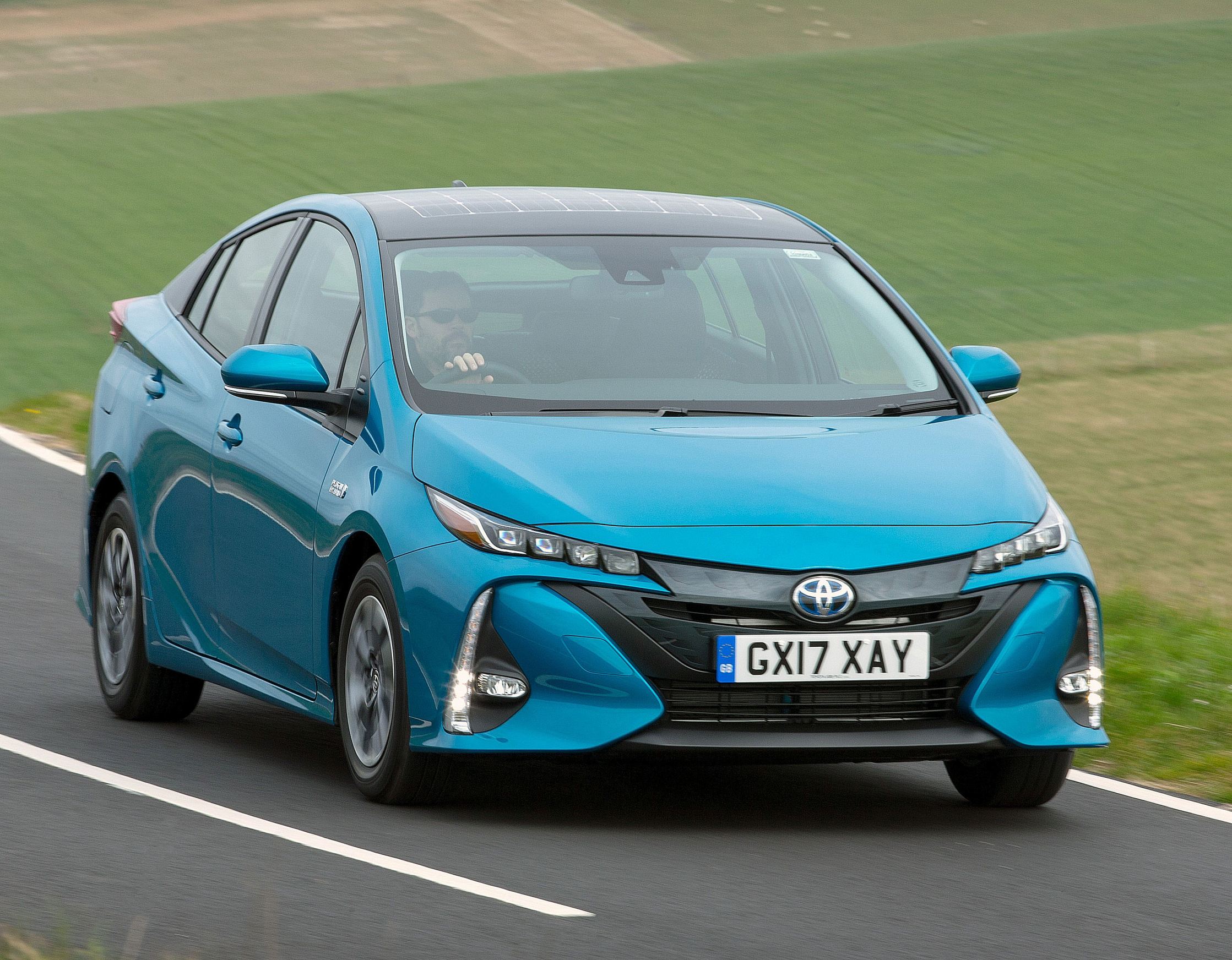
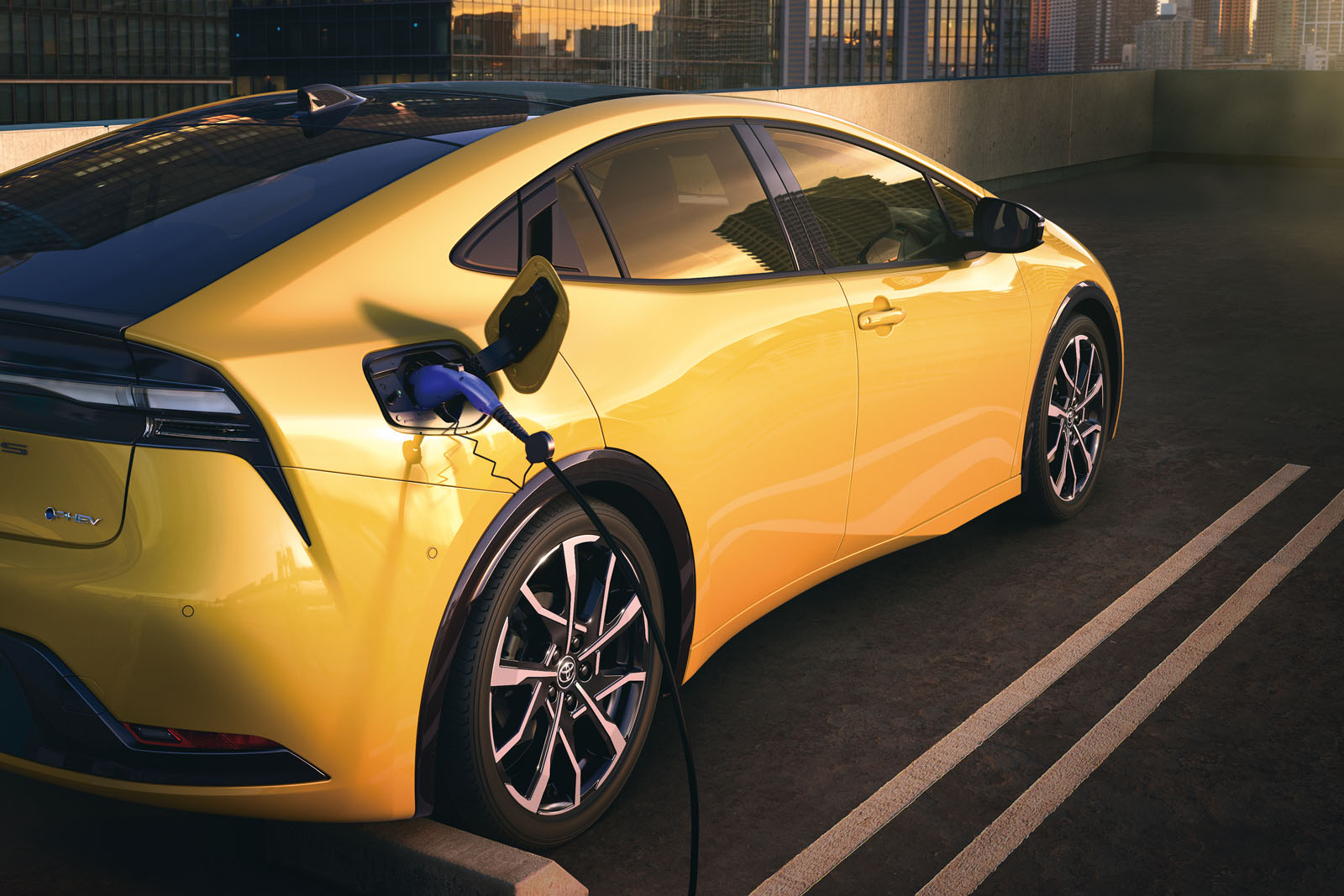
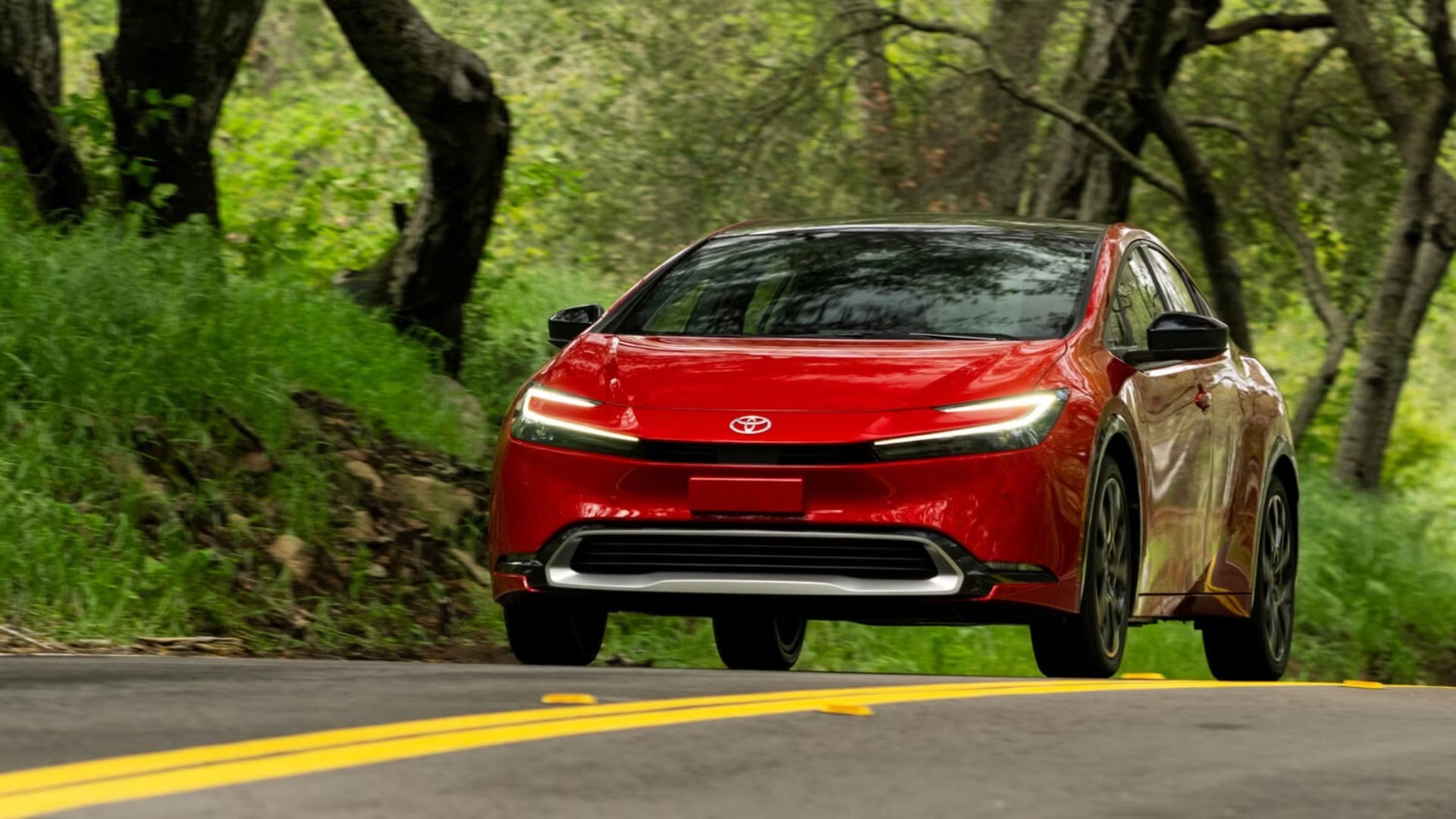
2025 Prius Prime (Credit: Toyota) Toyota is leaning into plug-in hybrids (PHEVs) and aims to grow US sales of this category from last year's 2.4% to 20% by 2030.
Toyota Motor is targeting significant growth in plug-in hybrid electric vehicles, or PHEVs. The automaker plans to increase PHEVs from 2.4% last year to roughly 20% of its U.S. sales volume by.
???????? ?????????????? Plug-In Hybrids ?????? ???? 2025 - Cars Electric
With investment from Toyota's growth fund Woven Capital, TMNA is collaborating with WeaveGrid to ensure that as more Toyota battery electric vehicles (BEV) and plug-in hybrid vehicles (PHEV) are introduced, these vehicles will be able to smoothly integrate with the electric grid, helping facilitate an efficient, equitable and resilient energy.
Toyota Motor is targeting significant growth in plug-in hybrid electric vehicles, or PHEVs. The automaker plans to increase PHEVs from 2.4% last year to roughly 20% of its U.S. sales volume by.
That's because the compact hybrid has been around for over 25 years now. As the industry shifts toward cleaner, more efficient options, Toyota is banking on PHEVs to drive growth.
Toyota shifts focus to plug-in hybrids, aiming for sharp growth as electric vehicle momentum softens amid infrastructure and market challenges.
Compare 2025 Toyota RAV4 Hybrid Vs. 2025 Toyota RAV4 Plug-In Hybrid | U ...
Toyota Motor is targeting significant growth in plug-in hybrid electric vehicles, or PHEVs. The automaker plans to increase PHEVs from 2.4% last year to roughly 20% of its U.S. sales volume by.
Toyota's new goal to have 20% of its U.S. sales be plug-in hybrids by 2030 shows a clear move towards more electric cars. The electric vehicle market in the U.S. is growing super fast, with more and more people buying EVs every year. Toyota has been a bit slow with fully electric cars, unlike many other big car companies that are all.
2025 Prius Prime (Credit: Toyota) Toyota is leaning into plug-in hybrids (PHEVs) and aims to grow US sales of this category from last year's 2.4% to 20% by 2030.
Toyota targets 20% U.S. sales from plug-in hybrids by 2030, up from 2.4% in 2024. New RAV4 PHEV offers 50-mile (80 km) EV-only range, part of plug-in expansion plan. High cost, low awareness remain barriers despite increasing regulatory pressure and modest forecast growth.
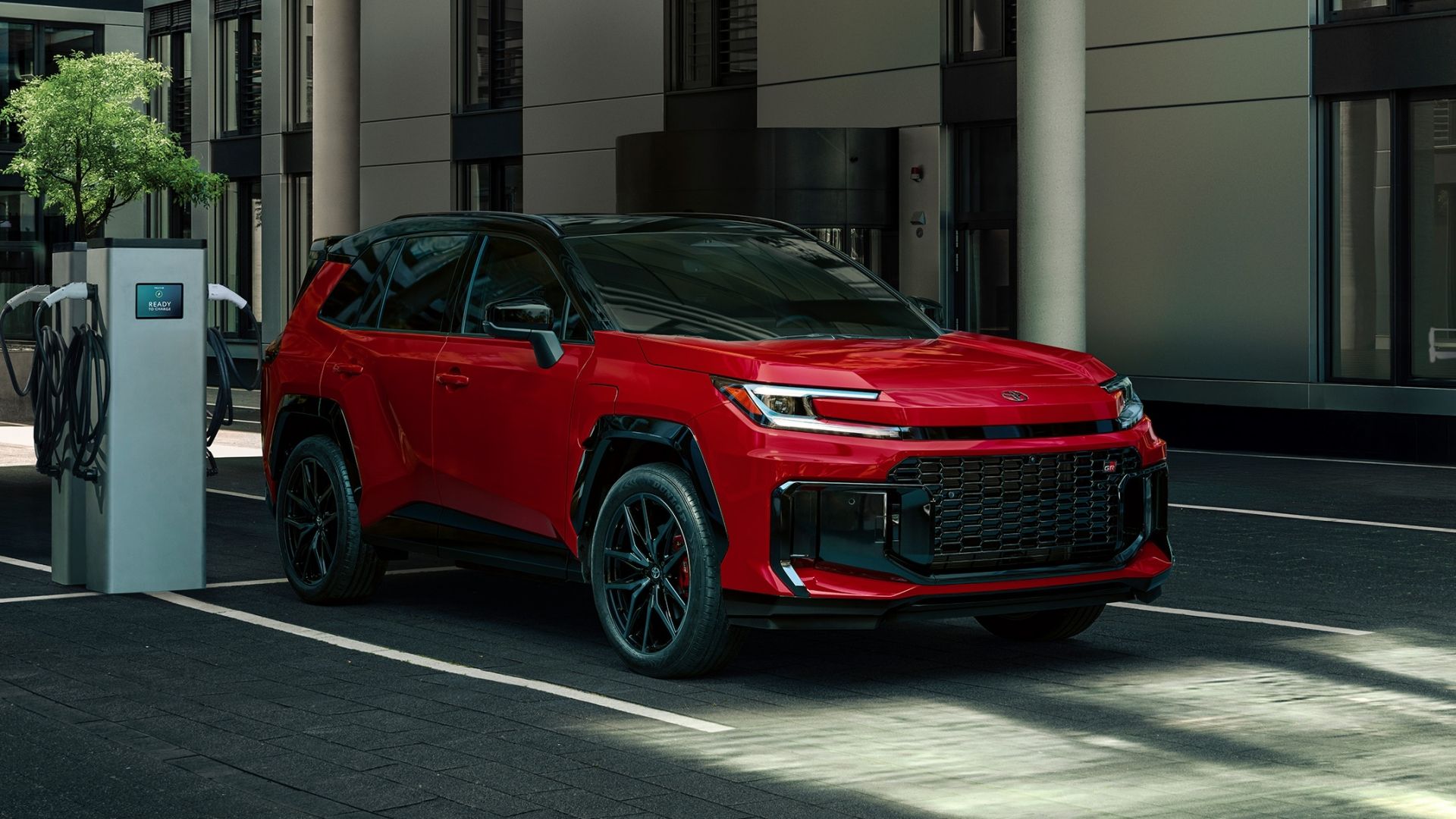
Next-gen Toyota RAV4 Plug-in Hybrid (2026) Likely To Retain 2.5L Powertrain
2025 Prius Prime (Credit: Toyota) Toyota is leaning into plug-in hybrids (PHEVs) and aims to grow US sales of this category from last year's 2.4% to 20% by 2030.
Toyota is pushing into plug-in hybrids with a 20% sales target by 2030, focusing on growth and innovation.
With investment from Toyota's growth fund Woven Capital, TMNA is collaborating with WeaveGrid to ensure that as more Toyota battery electric vehicles (BEV) and plug-in hybrid vehicles (PHEV) are introduced, these vehicles will be able to smoothly integrate with the electric grid, helping facilitate an efficient, equitable and resilient energy.
Sponsored Bank Accounts Toyota's hybrids don't need charging and switch seamlessly between gasoline and electric power, or use both at once, depending on driving conditions.
2025 Toyota RAV4 Plug-in Hybrid Gets 3 Changes Over MY2024
With investment from Toyota's growth fund Woven Capital, TMNA is collaborating with WeaveGrid to ensure that as more Toyota battery electric vehicles (BEV) and plug-in hybrid vehicles (PHEV) are introduced, these vehicles will be able to smoothly integrate with the electric grid, helping facilitate an efficient, equitable and resilient energy.
Toyota Motor is targeting significant growth in plug-in hybrid electric vehicles, or PHEVs. The automaker plans to increase PHEVs from 2.4% last year to roughly 20% of its U.S. sales volume by.
That's because the compact hybrid has been around for over 25 years now. As the industry shifts toward cleaner, more efficient options, Toyota is banking on PHEVs to drive growth.
Toyota is pushing into plug-in hybrids with a 20% sales target by 2030, focusing on growth and innovation.
Toyota shifts focus to plug-in hybrids, aiming for sharp growth as electric vehicle momentum softens amid infrastructure and market challenges.
2025 Prius Prime (Credit: Toyota) Toyota is leaning into plug-in hybrids (PHEVs) and aims to grow US sales of this category from last year's 2.4% to 20% by 2030.
With investment from Toyota's growth fund Woven Capital, TMNA is collaborating with WeaveGrid to ensure that as more Toyota battery electric vehicles (BEV) and plug-in hybrid vehicles (PHEV) are introduced, these vehicles will be able to smoothly integrate with the electric grid, helping facilitate an efficient, equitable and resilient energy.
Plug-in hybrids, however, currently account for 2.4 percent of its sales volume, but Toyota plans to increase its PHEV sales ratio to 20 percent by 2030.
Photos Toyota Prius Plug-in Hybrid 2025 - 1/1 - Guide Auto
Plug-in hybrids, however, currently account for 2.4 percent of its sales volume, but Toyota plans to increase its PHEV sales ratio to 20 percent by 2030.
2025 Prius Prime (Credit: Toyota) Toyota is leaning into plug-in hybrids (PHEVs) and aims to grow US sales of this category from last year's 2.4% to 20% by 2030.
Toyota shifts focus to plug-in hybrids, aiming for sharp growth as electric vehicle momentum softens amid infrastructure and market challenges.
Sponsored Bank Accounts Toyota's hybrids don't need charging and switch seamlessly between gasoline and electric power, or use both at once, depending on driving conditions.
Plug-in Hybrid Electric Cars | PHEV | Toyota UK
Toyota shifts focus to plug-in hybrids, aiming for sharp growth as electric vehicle momentum softens amid infrastructure and market challenges.
That's because the compact hybrid has been around for over 25 years now. As the industry shifts toward cleaner, more efficient options, Toyota is banking on PHEVs to drive growth.
Plug-in hybrids, however, currently account for 2.4 percent of its sales volume, but Toyota plans to increase its PHEV sales ratio to 20 percent by 2030.
Toyota is pushing into plug-in hybrids with a 20% sales target by 2030, focusing on growth and innovation.
Sponsored Bank Accounts Toyota's hybrids don't need charging and switch seamlessly between gasoline and electric power, or use both at once, depending on driving conditions.
2025 Prius Prime (Credit: Toyota) Toyota is leaning into plug-in hybrids (PHEVs) and aims to grow US sales of this category from last year's 2.4% to 20% by 2030.
Toyota is pushing into plug-in hybrids with a 20% sales target by 2030, focusing on growth and innovation.
Toyota shifts focus to plug-in hybrids, aiming for sharp growth as electric vehicle momentum softens amid infrastructure and market challenges.
Toyota Motor is targeting significant growth in plug-in hybrid electric vehicles, or PHEVs. The automaker plans to increase PHEVs from 2.4% last year to roughly 20% of its U.S. sales volume by.
Toyota's new goal to have 20% of its U.S. sales be plug-in hybrids by 2030 shows a clear move towards more electric cars. The electric vehicle market in the U.S. is growing super fast, with more and more people buying EVs every year. Toyota has been a bit slow with fully electric cars, unlike many other big car companies that are all.
That's because the compact hybrid has been around for over 25 years now. As the industry shifts toward cleaner, more efficient options, Toyota is banking on PHEVs to drive growth.
Plug-in hybrids, however, currently account for 2.4 percent of its sales volume, but Toyota plans to increase its PHEV sales ratio to 20 percent by 2030.
Toyota targets 20% U.S. sales from plug-in hybrids by 2030, up from 2.4% in 2024. New RAV4 PHEV offers 50-mile (80 km) EV-only range, part of plug-in expansion plan. High cost, low awareness remain barriers despite increasing regulatory pressure and modest forecast growth.
With investment from Toyota's growth fund Woven Capital, TMNA is collaborating with WeaveGrid to ensure that as more Toyota battery electric vehicles (BEV) and plug-in hybrid vehicles (PHEV) are introduced, these vehicles will be able to smoothly integrate with the electric grid, helping facilitate an efficient, equitable and resilient energy.