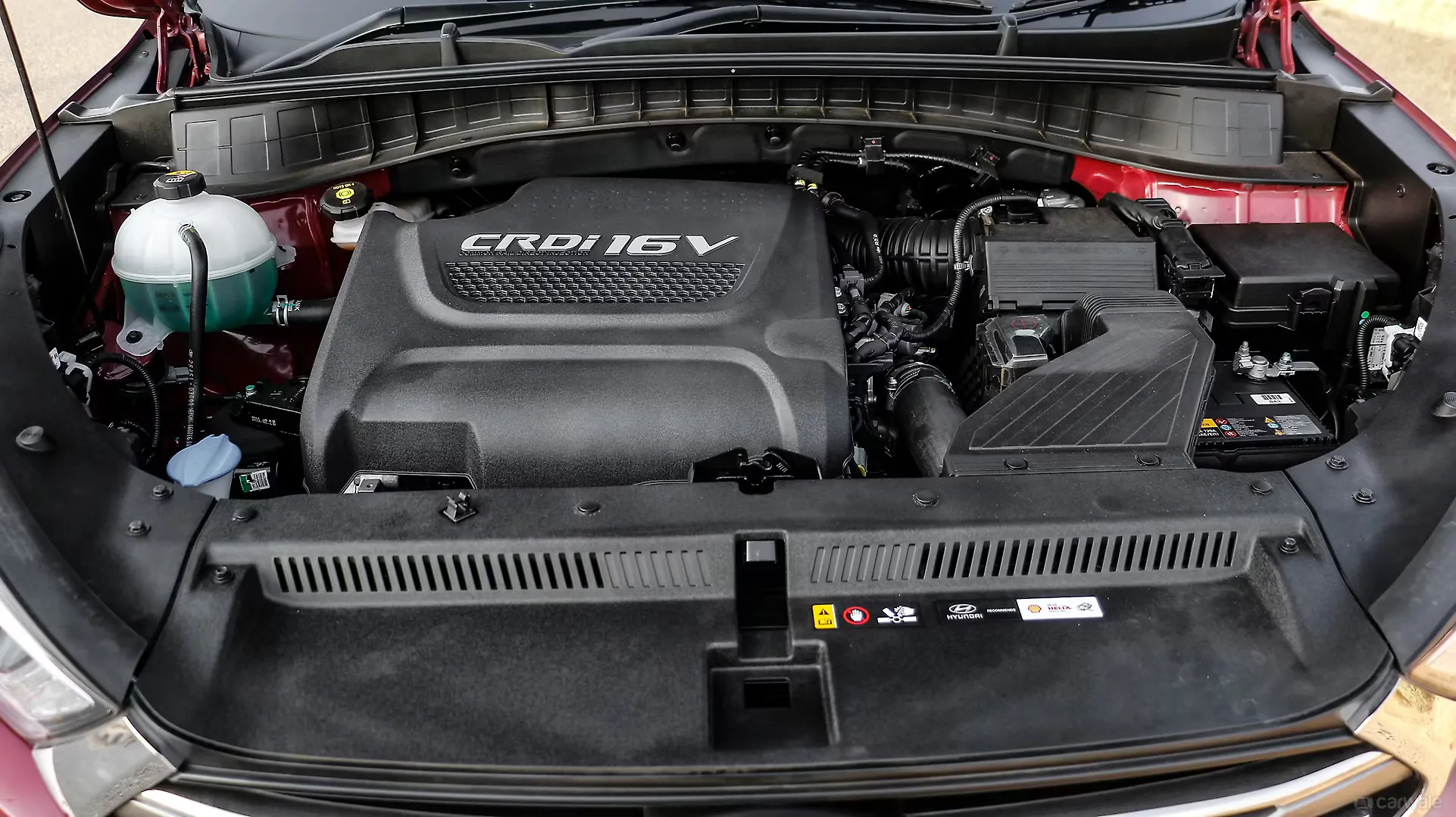
What engines are in Hyundai Tucson? Under the hood of Hyundai Tucson models you may find the engine options belonging to Smartstream, Theta, Nu, Gamma, Delta and Beta series. Depending on the model year and trim level, the engine size ranges from 1.6L I-4 to 2.7L V-6. Browse the charts below to uncover important Hyundai Tucson engine specs like horsepower, torque, displacement, and oil type.
Read about the 2025 Hyundai Tucson performance, horsepower, 0-60 times, and engine options at U.S. News & World Report.
Hyundai Tucson engine problems include stalling, excessive oil consumption, and engine knocking, mostly in 2015-2020 models. Hyundai has issued recalls and extended warranties to address these issues. Regular maintenance and checking for recalls can help prevent major engine failures. The Hyundai Tucson, a popular compact SUV, is known for its reliability and value. However, like any vehicle.
Read our 2026 Hyundai Tucson Hybrid review for information on ratings, pricing, specs, and features, and see how this SUV performed in our testing.
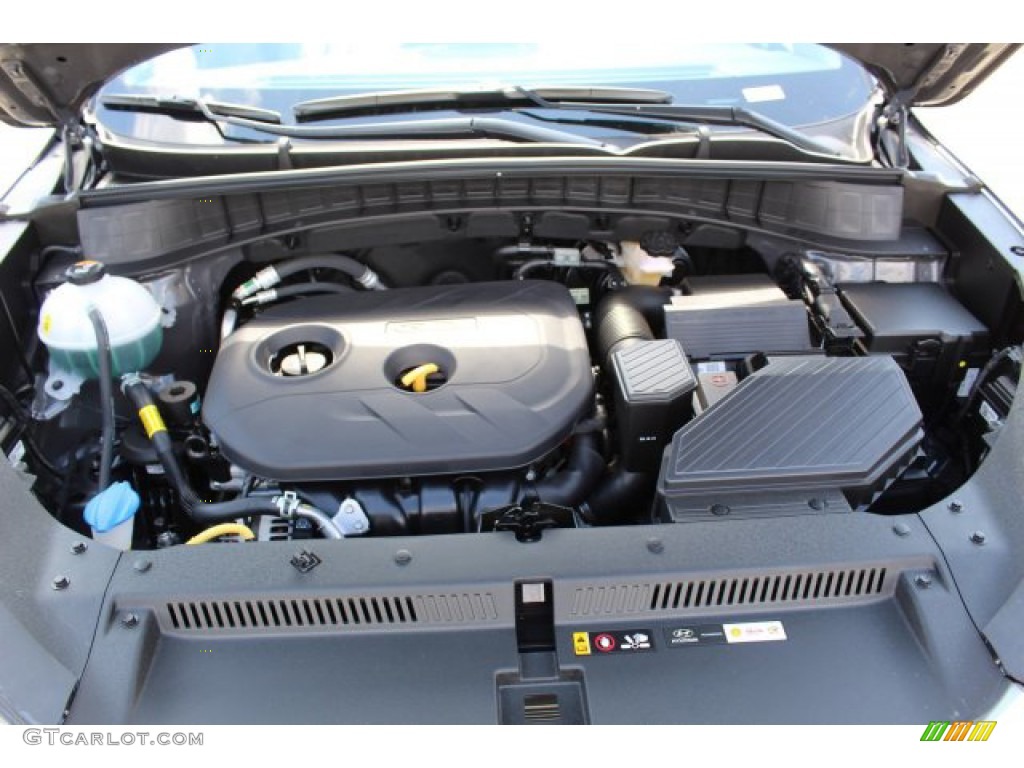
2020 Hyundai Tucson SE Engine Photos | GTCarLot.com
The Hyundai and Kia Theta II engines will give clues before they die. Here's what to look for and what to do.
The Hyundai Tucson, a stalwart in the compact SUV segment, is more than just a stylish exterior and a comfortable cabin. At its core lies the beating heart of the vehicle - the engine. It's the component that dictates performance, fuel efficiency, and the overall driving experience. But unlike some vehicles that offer a singular engine choice, the Tucson presents a range of options, each.
Hyundai Tucson engine problems include stalling, excessive oil consumption, and engine knocking, mostly in 2015-2020 models. Hyundai has issued recalls and extended warranties to address these issues. Regular maintenance and checking for recalls can help prevent major engine failures. The Hyundai Tucson, a popular compact SUV, is known for its reliability and value. However, like any vehicle.
This document provides a detailed overview of the 2.0L engine specifications for the 2016-2020 Hyundai Tucson. It includes critical technical details such as engine type, displacement, horsepower, torque, fuel system, and emissions standards. These specifications are essential for understanding the engine's performance, maintenance requirements, and compatibility with aftermarket parts.
Read about the 2025 Hyundai Tucson performance, horsepower, 0-60 times, and engine options at U.S. News & World Report.
Hyundai Tucson engine problems include stalling, excessive oil consumption, and engine knocking, mostly in 2015-2020 models. Hyundai has issued recalls and extended warranties to address these issues. Regular maintenance and checking for recalls can help prevent major engine failures. The Hyundai Tucson, a popular compact SUV, is known for its reliability and value. However, like any vehicle.
Discover key insights and facts about the best Hyundai Tucson engine options, including performance, reliability, and user satisfaction.
The Hyundai Tucson, a stalwart in the compact SUV segment, is more than just a stylish exterior and a comfortable cabin. At its core lies the beating heart of the vehicle - the engine. It's the component that dictates performance, fuel efficiency, and the overall driving experience. But unlike some vehicles that offer a singular engine choice, the Tucson presents a range of options, each.
Hyundai Tucson | 2019MY | Engine
Hyundai Tucson engine problems include stalling, excessive oil consumption, and engine knocking, mostly in 2015-2020 models. Hyundai has issued recalls and extended warranties to address these issues. Regular maintenance and checking for recalls can help prevent major engine failures. The Hyundai Tucson, a popular compact SUV, is known for its reliability and value. However, like any vehicle.
Read about the 2025 Hyundai Tucson performance, horsepower, 0-60 times, and engine options at U.S. News & World Report.
This document provides a detailed overview of the 2.0L engine specifications for the 2016-2020 Hyundai Tucson. It includes critical technical details such as engine type, displacement, horsepower, torque, fuel system, and emissions standards. These specifications are essential for understanding the engine's performance, maintenance requirements, and compatibility with aftermarket parts.
The Hyundai Tucson, a stalwart in the compact SUV segment, is more than just a stylish exterior and a comfortable cabin. At its core lies the beating heart of the vehicle - the engine. It's the component that dictates performance, fuel efficiency, and the overall driving experience. But unlike some vehicles that offer a singular engine choice, the Tucson presents a range of options, each.
2018 Hyundai Tucson - Brief Overview - PakWheels Blog
Discover key insights and facts about the best Hyundai Tucson engine options, including performance, reliability, and user satisfaction.
This document provides a detailed overview of the 2.0L engine specifications for the 2016-2020 Hyundai Tucson. It includes critical technical details such as engine type, displacement, horsepower, torque, fuel system, and emissions standards. These specifications are essential for understanding the engine's performance, maintenance requirements, and compatibility with aftermarket parts.
The best engine for the Hyundai Tucson is subjective and hinges on individual needs and preferences. Each of the engines caters to distinct driver profiles-be it power enthusiasts, fuel savers, or those valuing eco-friendliness. Take some time to consider how each engine type aligns with your driving habits, environment, and lifestyle demands.
What engines are in Hyundai Tucson? Under the hood of Hyundai Tucson models you may find the engine options belonging to Smartstream, Theta, Nu, Gamma, Delta and Beta series. Depending on the model year and trim level, the engine size ranges from 1.6L I-4 to 2.7L V-6. Browse the charts below to uncover important Hyundai Tucson engine specs like horsepower, torque, displacement, and oil type.
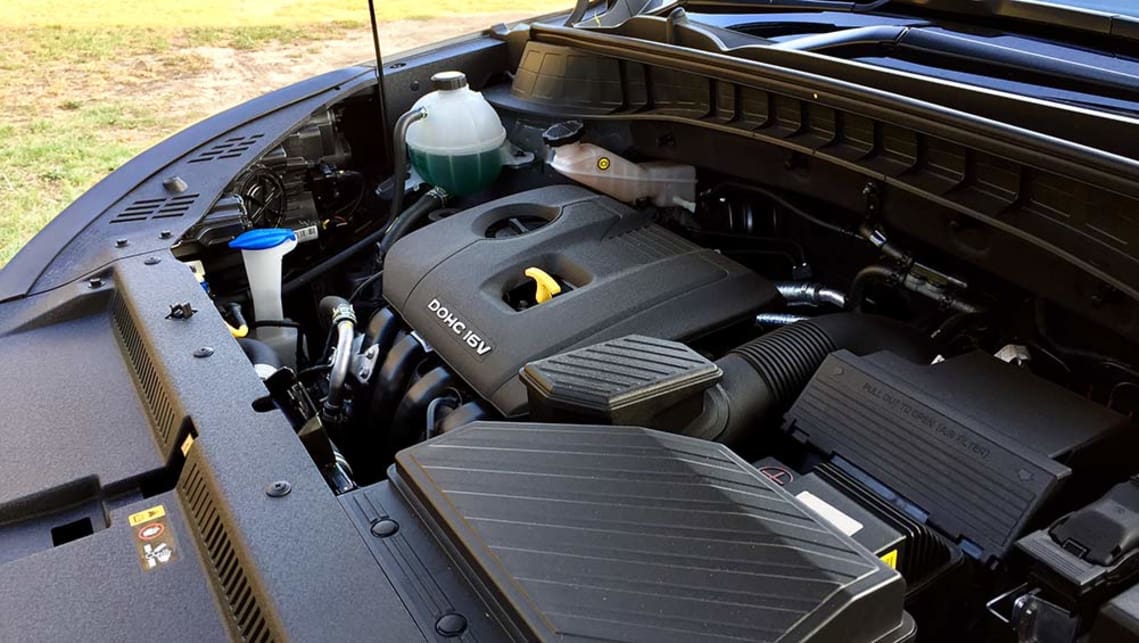
Hyundai Tucson Engine - Specs & Motor Options | CarsGuide
Discover key insights and facts about the best Hyundai Tucson engine options, including performance, reliability, and user satisfaction.
Read our experts' views about the Hyundai Tucson driving and performance, how it performs compared to its rivals and more.
The best engine for the Hyundai Tucson is subjective and hinges on individual needs and preferences. Each of the engines caters to distinct driver profiles-be it power enthusiasts, fuel savers, or those valuing eco-friendliness. Take some time to consider how each engine type aligns with your driving habits, environment, and lifestyle demands.
The Hyundai Tucson, a stalwart in the compact SUV segment, is more than just a stylish exterior and a comfortable cabin. At its core lies the beating heart of the vehicle - the engine. It's the component that dictates performance, fuel efficiency, and the overall driving experience. But unlike some vehicles that offer a singular engine choice, the Tucson presents a range of options, each.
Hyundai Tucson engine problems include stalling, excessive oil consumption, and engine knocking, mostly in 2015-2020 models. Hyundai has issued recalls and extended warranties to address these issues. Regular maintenance and checking for recalls can help prevent major engine failures. The Hyundai Tucson, a popular compact SUV, is known for its reliability and value. However, like any vehicle.
The Hyundai and Kia Theta II engines will give clues before they die. Here's what to look for and what to do.
Discover key insights and facts about the best Hyundai Tucson engine options, including performance, reliability, and user satisfaction.
This document provides a detailed overview of the 2.0L engine specifications for the 2016-2020 Hyundai Tucson. It includes critical technical details such as engine type, displacement, horsepower, torque, fuel system, and emissions standards. These specifications are essential for understanding the engine's performance, maintenance requirements, and compatibility with aftermarket parts.
Hyundai Tucson | 2019MY | Engine
This document provides a detailed overview of the 2.0L engine specifications for the 2016-2020 Hyundai Tucson. It includes critical technical details such as engine type, displacement, horsepower, torque, fuel system, and emissions standards. These specifications are essential for understanding the engine's performance, maintenance requirements, and compatibility with aftermarket parts.
Read our experts' views about the Hyundai Tucson driving and performance, how it performs compared to its rivals and more.
Read our 2026 Hyundai Tucson Hybrid review for information on ratings, pricing, specs, and features, and see how this SUV performed in our testing.
The Hyundai Tucson, a stalwart in the compact SUV segment, is more than just a stylish exterior and a comfortable cabin. At its core lies the beating heart of the vehicle - the engine. It's the component that dictates performance, fuel efficiency, and the overall driving experience. But unlike some vehicles that offer a singular engine choice, the Tucson presents a range of options, each.
The Hyundai and Kia Theta II engines will give clues before they die. Here's what to look for and what to do.
Hyundai Tucson engine problems include stalling, excessive oil consumption, and engine knocking, mostly in 2015-2020 models. Hyundai has issued recalls and extended warranties to address these issues. Regular maintenance and checking for recalls can help prevent major engine failures. The Hyundai Tucson, a popular compact SUV, is known for its reliability and value. However, like any vehicle.
The Hyundai Tucson, a stalwart in the compact SUV segment, is more than just a stylish exterior and a comfortable cabin. At its core lies the beating heart of the vehicle - the engine. It's the component that dictates performance, fuel efficiency, and the overall driving experience. But unlike some vehicles that offer a singular engine choice, the Tucson presents a range of options, each.
This document provides a detailed overview of the 2.0L engine specifications for the 2016-2020 Hyundai Tucson. It includes critical technical details such as engine type, displacement, horsepower, torque, fuel system, and emissions standards. These specifications are essential for understanding the engine's performance, maintenance requirements, and compatibility with aftermarket parts.
2013 Hyundai Tucson Engine
Discover key insights and facts about the best Hyundai Tucson engine options, including performance, reliability, and user satisfaction.
Hyundai Tucson engine problems include stalling, excessive oil consumption, and engine knocking, mostly in 2015-2020 models. Hyundai has issued recalls and extended warranties to address these issues. Regular maintenance and checking for recalls can help prevent major engine failures. The Hyundai Tucson, a popular compact SUV, is known for its reliability and value. However, like any vehicle.
This document provides a detailed overview of the 2.0L engine specifications for the 2016-2020 Hyundai Tucson. It includes critical technical details such as engine type, displacement, horsepower, torque, fuel system, and emissions standards. These specifications are essential for understanding the engine's performance, maintenance requirements, and compatibility with aftermarket parts.
The Hyundai Tucson, a stalwart in the compact SUV segment, is more than just a stylish exterior and a comfortable cabin. At its core lies the beating heart of the vehicle - the engine. It's the component that dictates performance, fuel efficiency, and the overall driving experience. But unlike some vehicles that offer a singular engine choice, the Tucson presents a range of options, each.
How Much To Replace A Hyundai Tucson Engine? (Explained)
The best engine for the Hyundai Tucson is subjective and hinges on individual needs and preferences. Each of the engines caters to distinct driver profiles-be it power enthusiasts, fuel savers, or those valuing eco-friendliness. Take some time to consider how each engine type aligns with your driving habits, environment, and lifestyle demands.
What engines are in Hyundai Tucson? Under the hood of Hyundai Tucson models you may find the engine options belonging to Smartstream, Theta, Nu, Gamma, Delta and Beta series. Depending on the model year and trim level, the engine size ranges from 1.6L I-4 to 2.7L V-6. Browse the charts below to uncover important Hyundai Tucson engine specs like horsepower, torque, displacement, and oil type.
The Hyundai and Kia Theta II engines will give clues before they die. Here's what to look for and what to do.
This document provides a detailed overview of the 2.0L engine specifications for the 2016-2020 Hyundai Tucson. It includes critical technical details such as engine type, displacement, horsepower, torque, fuel system, and emissions standards. These specifications are essential for understanding the engine's performance, maintenance requirements, and compatibility with aftermarket parts.
2023 Hyundai Tucson Engine
The best engine for the Hyundai Tucson is subjective and hinges on individual needs and preferences. Each of the engines caters to distinct driver profiles-be it power enthusiasts, fuel savers, or those valuing eco-friendliness. Take some time to consider how each engine type aligns with your driving habits, environment, and lifestyle demands.
Read about the 2025 Hyundai Tucson performance, horsepower, 0-60 times, and engine options at U.S. News & World Report.
This document provides a detailed overview of the 2.0L engine specifications for the 2016-2020 Hyundai Tucson. It includes critical technical details such as engine type, displacement, horsepower, torque, fuel system, and emissions standards. These specifications are essential for understanding the engine's performance, maintenance requirements, and compatibility with aftermarket parts.
Hyundai Tucson engine problems include stalling, excessive oil consumption, and engine knocking, mostly in 2015-2020 models. Hyundai has issued recalls and extended warranties to address these issues. Regular maintenance and checking for recalls can help prevent major engine failures. The Hyundai Tucson, a popular compact SUV, is known for its reliability and value. However, like any vehicle.
2019 Hyundai Tucson Offers More Power | Automobile Magazine
Hyundai Tucson engine problems include stalling, excessive oil consumption, and engine knocking, mostly in 2015-2020 models. Hyundai has issued recalls and extended warranties to address these issues. Regular maintenance and checking for recalls can help prevent major engine failures. The Hyundai Tucson, a popular compact SUV, is known for its reliability and value. However, like any vehicle.
This document provides a detailed overview of the 2.0L engine specifications for the 2016-2020 Hyundai Tucson. It includes critical technical details such as engine type, displacement, horsepower, torque, fuel system, and emissions standards. These specifications are essential for understanding the engine's performance, maintenance requirements, and compatibility with aftermarket parts.
The best engine for the Hyundai Tucson is subjective and hinges on individual needs and preferences. Each of the engines caters to distinct driver profiles-be it power enthusiasts, fuel savers, or those valuing eco-friendliness. Take some time to consider how each engine type aligns with your driving habits, environment, and lifestyle demands.
The Hyundai and Kia Theta II engines will give clues before they die. Here's what to look for and what to do.
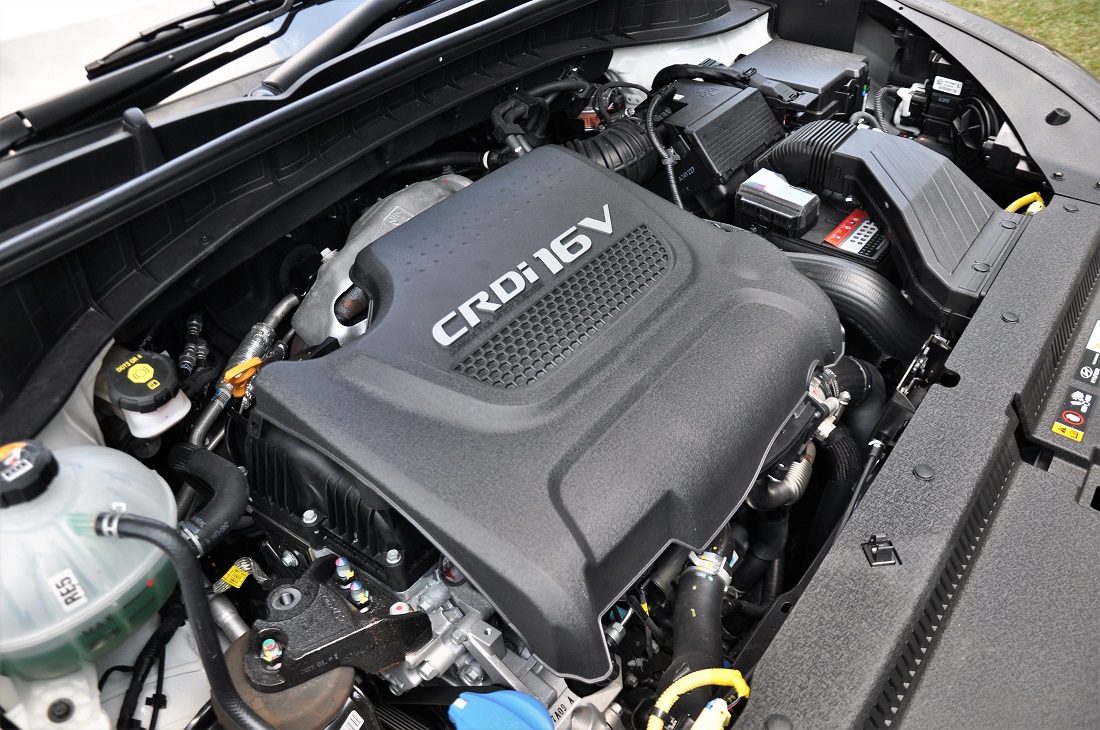
Test Drive Review : Hyundai Tucson - Autoworld.com.my
What engines are in Hyundai Tucson? Under the hood of Hyundai Tucson models you may find the engine options belonging to Smartstream, Theta, Nu, Gamma, Delta and Beta series. Depending on the model year and trim level, the engine size ranges from 1.6L I-4 to 2.7L V-6. Browse the charts below to uncover important Hyundai Tucson engine specs like horsepower, torque, displacement, and oil type.
This document provides a detailed overview of the 2.0L engine specifications for the 2016-2020 Hyundai Tucson. It includes critical technical details such as engine type, displacement, horsepower, torque, fuel system, and emissions standards. These specifications are essential for understanding the engine's performance, maintenance requirements, and compatibility with aftermarket parts.
Read our experts' views about the Hyundai Tucson driving and performance, how it performs compared to its rivals and more.
Read about the 2025 Hyundai Tucson performance, horsepower, 0-60 times, and engine options at U.S. News & World Report.
Discover key insights and facts about the best Hyundai Tucson engine options, including performance, reliability, and user satisfaction.
What engines are in Hyundai Tucson? Under the hood of Hyundai Tucson models you may find the engine options belonging to Smartstream, Theta, Nu, Gamma, Delta and Beta series. Depending on the model year and trim level, the engine size ranges from 1.6L I-4 to 2.7L V-6. Browse the charts below to uncover important Hyundai Tucson engine specs like horsepower, torque, displacement, and oil type.
The best engine for the Hyundai Tucson is subjective and hinges on individual needs and preferences. Each of the engines caters to distinct driver profiles-be it power enthusiasts, fuel savers, or those valuing eco-friendliness. Take some time to consider how each engine type aligns with your driving habits, environment, and lifestyle demands.
Read our experts' views about the Hyundai Tucson driving and performance, how it performs compared to its rivals and more.
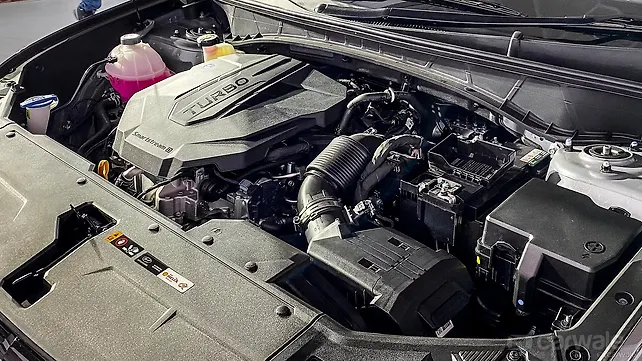
Hyundai Tucson Photo, Engine Bay Image - CarWale
This document provides a detailed overview of the 2.0L engine specifications for the 2016-2020 Hyundai Tucson. It includes critical technical details such as engine type, displacement, horsepower, torque, fuel system, and emissions standards. These specifications are essential for understanding the engine's performance, maintenance requirements, and compatibility with aftermarket parts.
Discover key insights and facts about the best Hyundai Tucson engine options, including performance, reliability, and user satisfaction.
Read about the 2025 Hyundai Tucson performance, horsepower, 0-60 times, and engine options at U.S. News & World Report.
The best engine for the Hyundai Tucson is subjective and hinges on individual needs and preferences. Each of the engines caters to distinct driver profiles-be it power enthusiasts, fuel savers, or those valuing eco-friendliness. Take some time to consider how each engine type aligns with your driving habits, environment, and lifestyle demands.
Discover key insights and facts about the best Hyundai Tucson engine options, including performance, reliability, and user satisfaction.
Read about the 2025 Hyundai Tucson performance, horsepower, 0-60 times, and engine options at U.S. News & World Report.
Read our experts' views about the Hyundai Tucson driving and performance, how it performs compared to its rivals and more.
Read our 2026 Hyundai Tucson Hybrid review for information on ratings, pricing, specs, and features, and see how this SUV performed in our testing.
The best engine for the Hyundai Tucson is subjective and hinges on individual needs and preferences. Each of the engines caters to distinct driver profiles-be it power enthusiasts, fuel savers, or those valuing eco-friendliness. Take some time to consider how each engine type aligns with your driving habits, environment, and lifestyle demands.
What engines are in Hyundai Tucson? Under the hood of Hyundai Tucson models you may find the engine options belonging to Smartstream, Theta, Nu, Gamma, Delta and Beta series. Depending on the model year and trim level, the engine size ranges from 1.6L I-4 to 2.7L V-6. Browse the charts below to uncover important Hyundai Tucson engine specs like horsepower, torque, displacement, and oil type.
The Hyundai Tucson, a stalwart in the compact SUV segment, is more than just a stylish exterior and a comfortable cabin. At its core lies the beating heart of the vehicle - the engine. It's the component that dictates performance, fuel efficiency, and the overall driving experience. But unlike some vehicles that offer a singular engine choice, the Tucson presents a range of options, each.
This document provides a detailed overview of the 2.0L engine specifications for the 2016-2020 Hyundai Tucson. It includes critical technical details such as engine type, displacement, horsepower, torque, fuel system, and emissions standards. These specifications are essential for understanding the engine's performance, maintenance requirements, and compatibility with aftermarket parts.
Hyundai Tucson engine problems include stalling, excessive oil consumption, and engine knocking, mostly in 2015-2020 models. Hyundai has issued recalls and extended warranties to address these issues. Regular maintenance and checking for recalls can help prevent major engine failures. The Hyundai Tucson, a popular compact SUV, is known for its reliability and value. However, like any vehicle.
The Hyundai and Kia Theta II engines will give clues before they die. Here's what to look for and what to do.